West Hampstead Reconfiguration, Refurbishment and New Rooftop
Camden
Project Details
£0.5m to £0.99M
Alteration to existing property, Within a Conservation Area
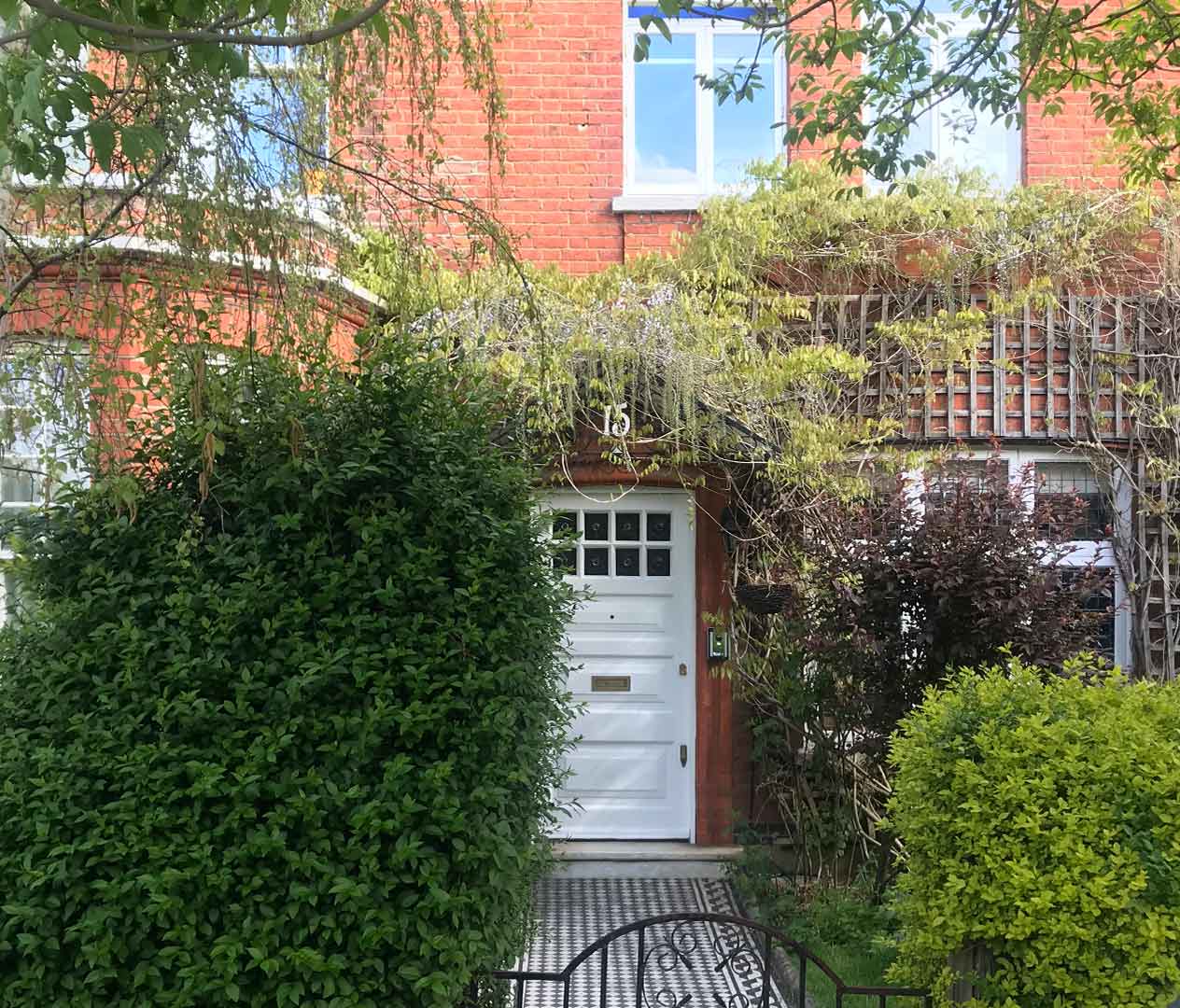
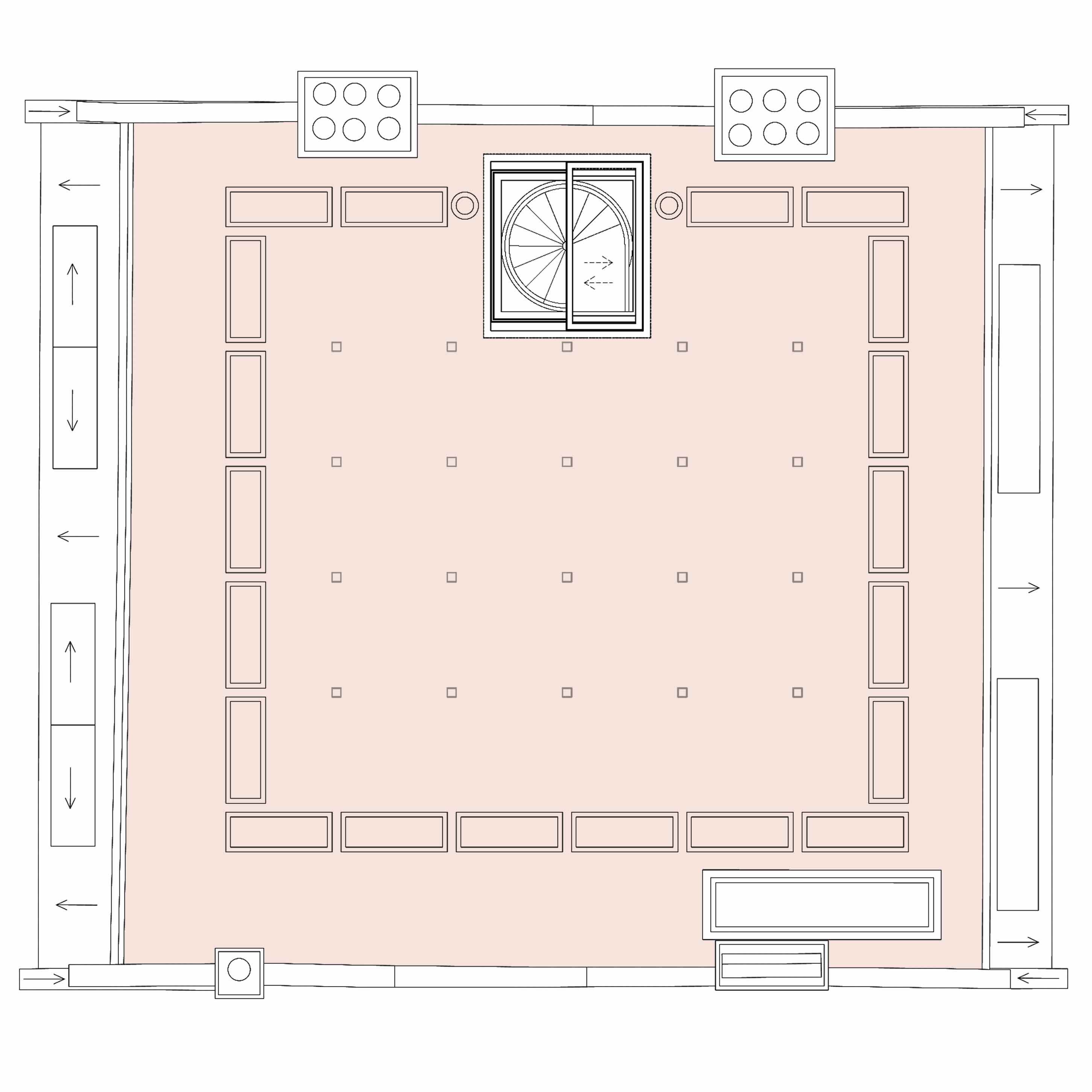
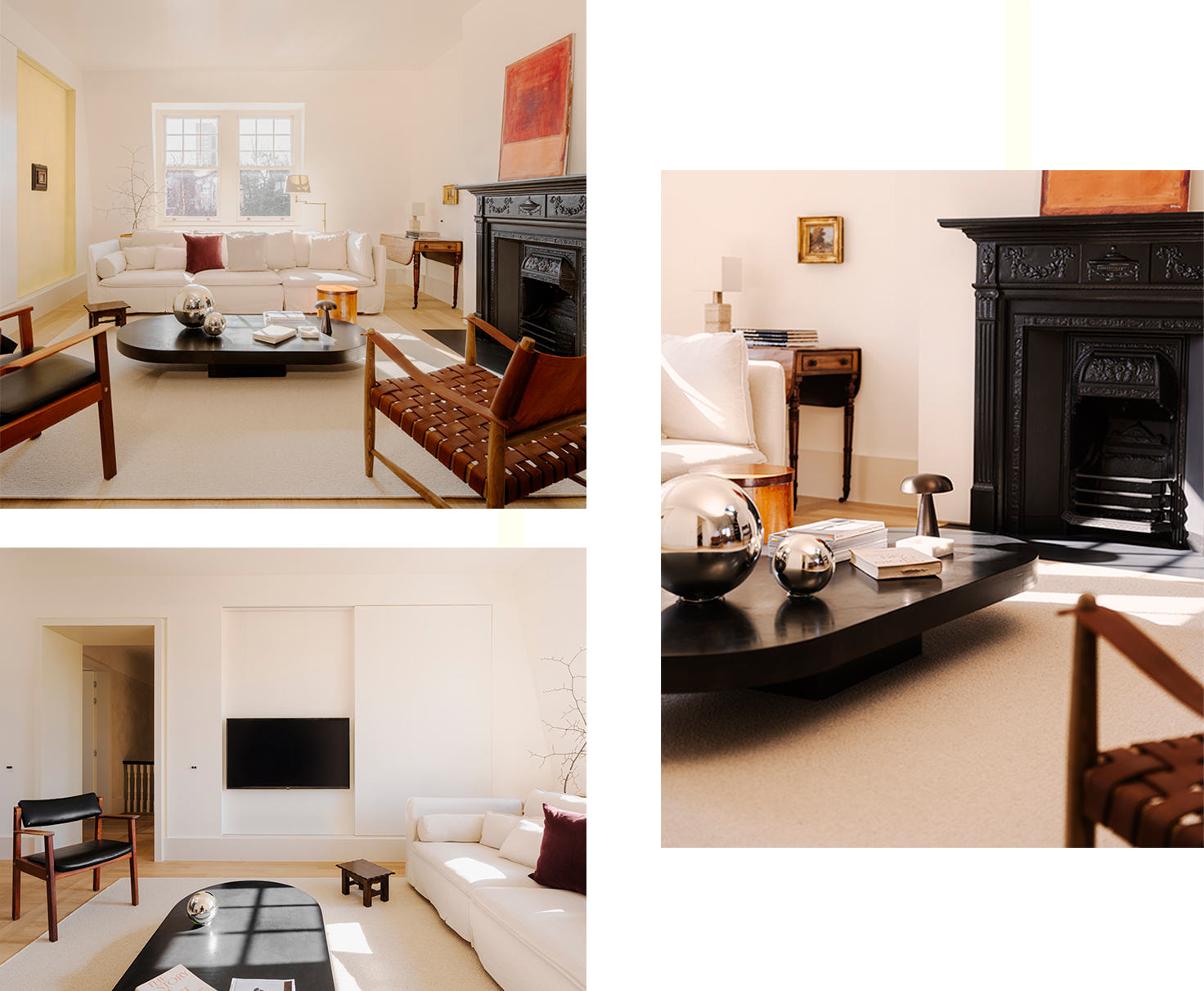
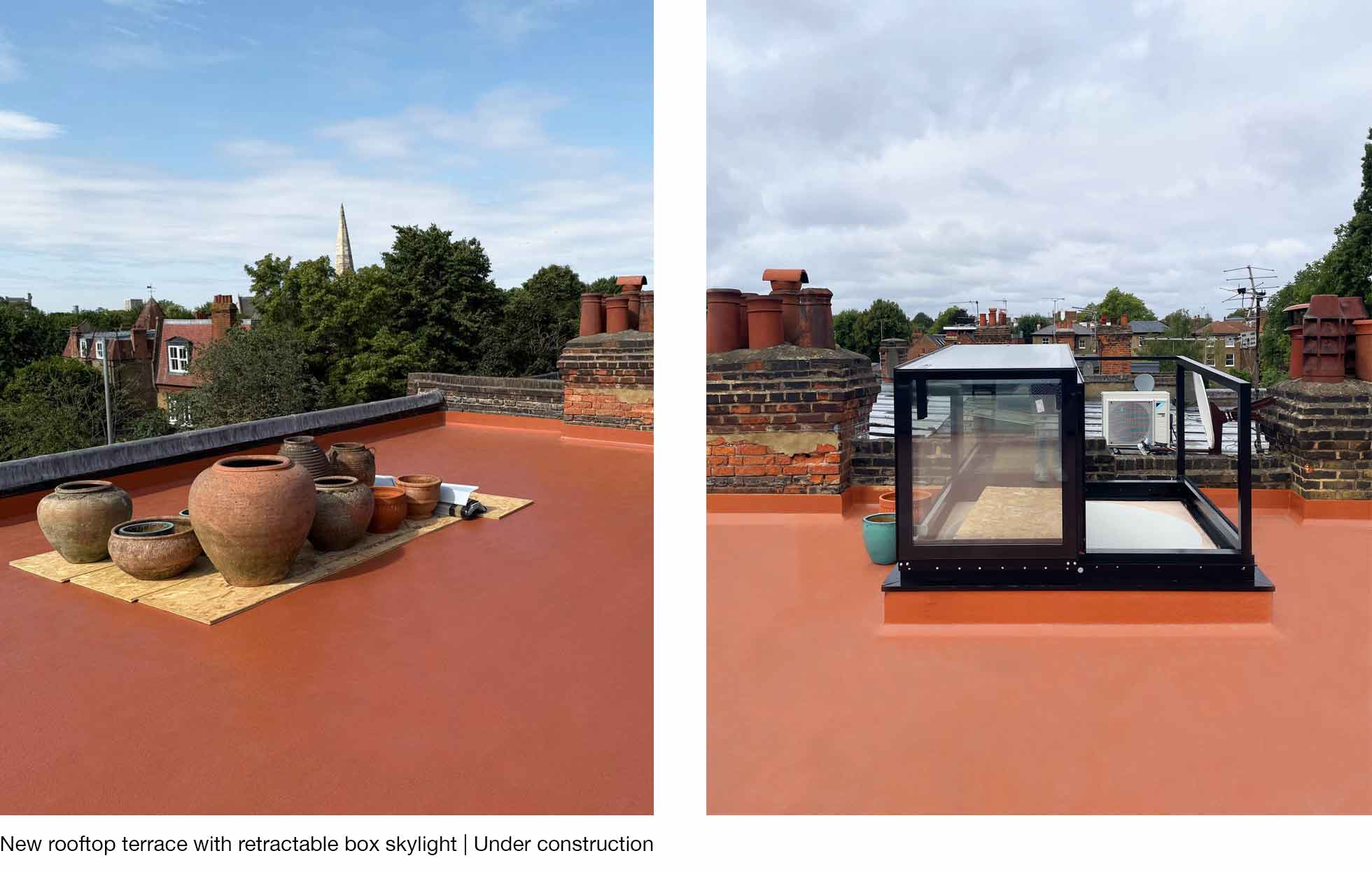
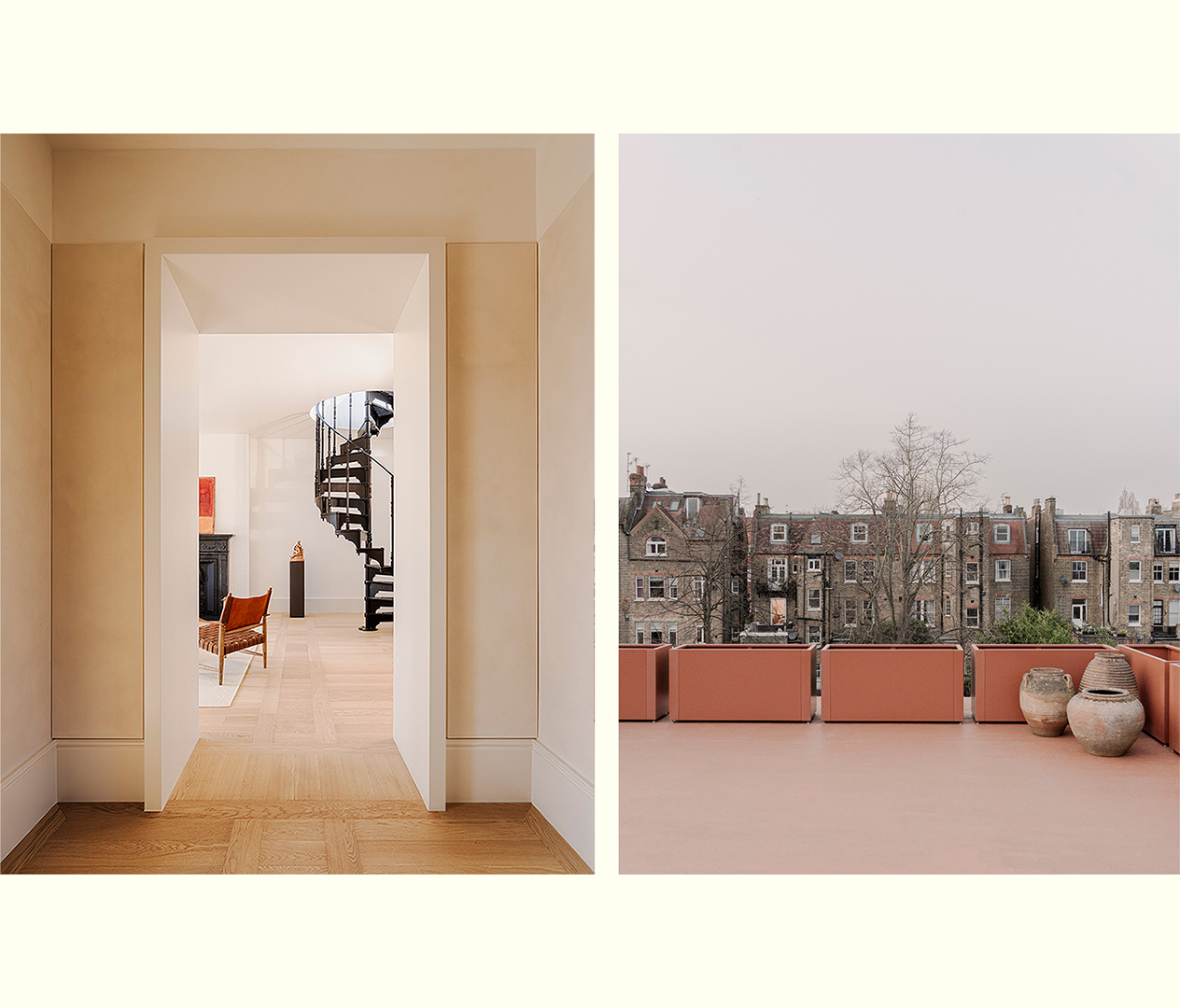
The layout reconfiguration sought to bring out and retain as much of the character of the home as possible, whilst improving circulation and accommodating the functional requirements of a contemporary home - including the need for outdoor space through the construction of a new roof to create a rooftop garden. Due to the building’s location within a prestigious Conservation Area of Hampstead, the project required a complex design and research approach to marry Planning, conservation and construction requirements and constraints. The relocation of one bedroom and the demolition of most of the internal partitions created a large, open-plan and dual-aspect living area which spans the whole width of the plan and incorporates a bespoke kitchen island and spiral staircase - both designed to look like 'freestanding sculptures' in the room - to comfortably access the rooftop garden through a retractable 'glassbox'. The beautifully-proportioned original stair hallway at the centre of home was retained but enhanced through the relocation of its three doorways so as to centre them on each other and align them with the axes of the new layout. A deep timber architrave centred on the original square hallway frames both the spiral staircase and the original stained-glass window on the stair landing. With its bespoke pattern, the new wooden floor emphasises the axes of the new layout whilst visually subdividing the large open-plan space into different functions and connecting it to the entrance hallway. The points where the perpendicular layout axes meet are marked by two red travertine insets visible from all the main rooms through the new doorways. To maximise the living and bedroom areas, the owners opted for small bathrooms, which were tucked away behind secret doors in the main bedroom and study. In particular, the master en-suite is hidden in a volume-like room within the master bedroom, which was subdivided into a shower room and toilet ‘pods’, whilst a niche in the wardrobes accommodates the basin and vanity. Large, frameless skylights over the two pods provide natural light and an unexpected sense of spaciousness through clear views of the sky above. The red and brown shades of the clay bricks and fish scale mansard tiles are echoed within the interiors through the selection of red travertine floor and wall inserts, warm-coloured natural lime paint, terracotta microcement and brushed copper tapware. On the roof, this visual connection is established through the paving of the entire rooftop with a rusty clay-colour, seamless floor finish and with matching planters hiding the railings. The palette of the main rooms features a mix of matte and satin warm off-whites, forming a pared back, classic backdrop against which the dark kitchen island and spiral staircase stand like sculptures within a light-filled volume all year round. The bathrooms are immersed in colour, with all surfaces finished in the same monochrome. The guest bathroom is bathed in terracotta microcement. Against this unexpected backdrop, the existing window and the new mirror were then framed by solid, red travertine stone slabs to extend the principles of monolithic, object-like insertions of the main living spaces to the bathroom. All storage units were recessed into new wall niches and concealed behind secret doors so as to ‘disappear’ into the backdrop of each room. The bedrooms feature wrap-around wall panelling behind which the floor-to-ceiling wardrobes can hide in full view. The tall units in the kitchen area follow the same principle: timber panels flush with the wall and painted to match it conceal the appliances, without hindering comfort or practicality. The oven and coffee machine/tea area are placed at worktop height within two adjacent units, with doors that open and slide into the wall so as to provide easy and prolonged access when required, and be concealed when no longer needed. Tall cloakroom units are hidden behind two identical handleless panels on either side of the deep threshold between the entrance hall and living room, finished in lime paint to match the entrance hall walls. A slim television screen is hung in a specifically-built wall niche: a tall timber panel flush with the wall and painted to match it slides across the niche to conceal the television whilst exposing the other mustard-colour half of the niche, where an antique painting is hung and lit from above by a concealed LED strip. Other artworks are positioned in niches or on plinths framed by the bespoke pattern of the timber floorboards.