The Hayloft
Central Bedfordshire
Project Details
£100,000 to £249,999
Within a Conservation Area
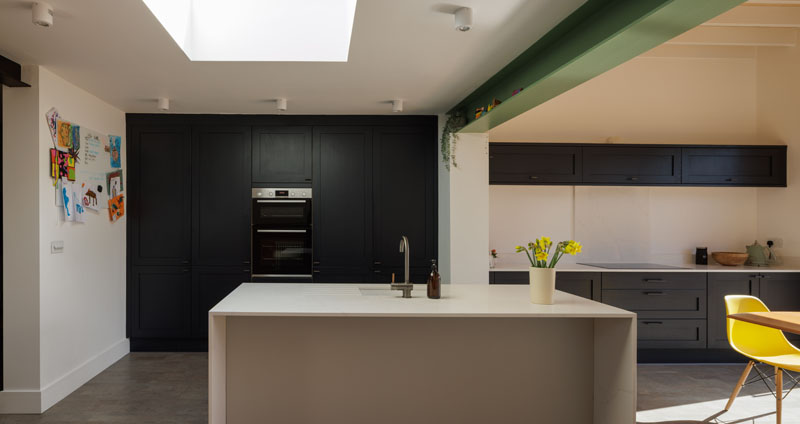
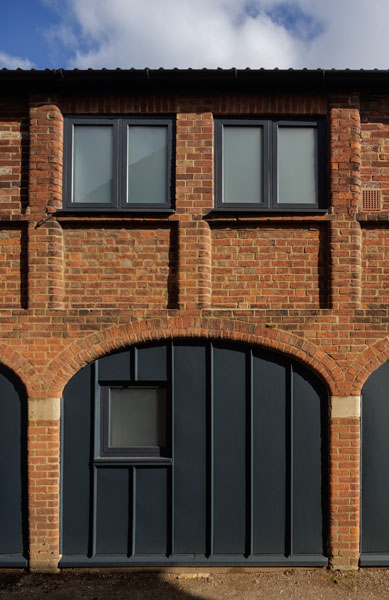
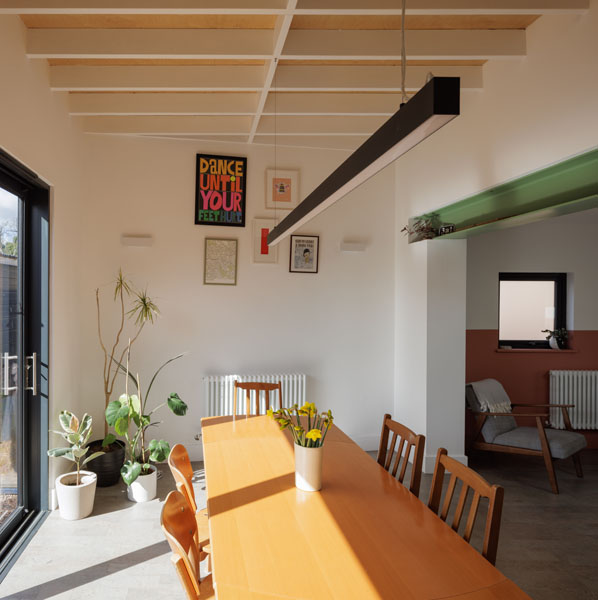
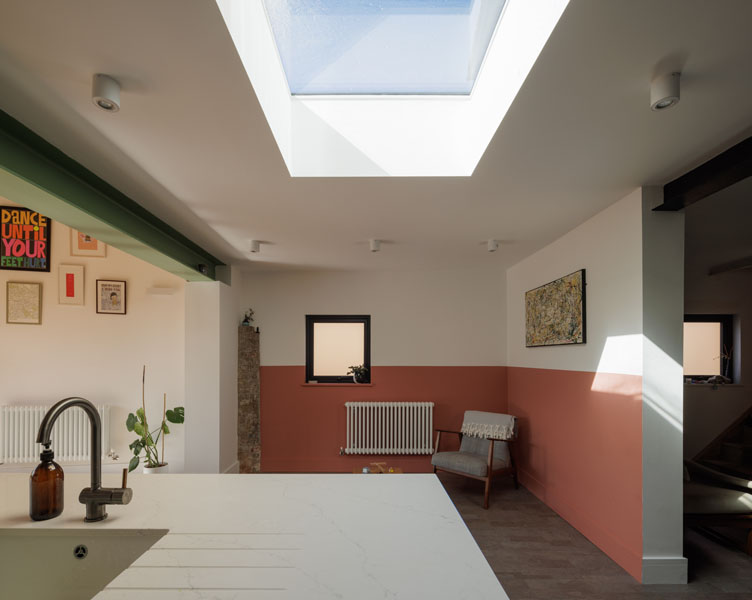
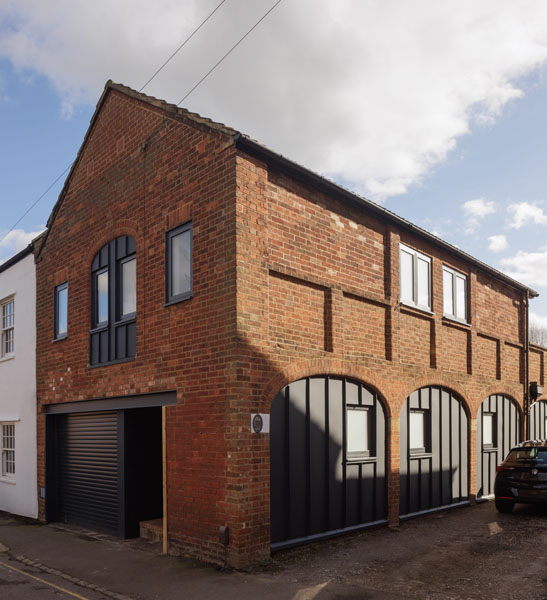
We have refurbished and extended an old Victorian hayloft in Linslade, Leighton Buzzard. The property was converted into a dwelling in the late 1980’s but unfortunately the conversion was not sympathetic and poorly utilised the existing structure. The windows were mismatched, the original hayloft openings and arches had been badly infilled with cheap brick and the internal layout was not efficient. Our young family Client had recently moved out from London and had purchased the building with the intent of transforming it into their new family home. They engaged us to take the project on from initial feasibility stages to concept design, achieving the relevant planning consents and through to technical design and construction. Our concept was to expose and enhance existing elements lost in the previous conversion, reconfigure the internal layout and add a single storey extension at the rear of the property. We felt that any new interventions should contrast with the older fabric of the building in order for there to be a greater appreciation of the original hayloft structure. The front elevation rationalises the elements at ground floor - allowing for the garage door, covered porch and front door in one expressed opening. This bought clarity to a previously confusing entranceway tucked down the side and away from the street. It also helped free up space for precious living accommodation at the rear of the property. There was strength in allocating the materials in a rational way. In this sense, the concept is that the metal cladding acts as an in-fill for the arches and the timber cladding is for new build elements (front entrance and rear extension). At the rear, a new crisp contemporary extension ties in with the existing parapet levels of the house and helps provide a generous dining space, with high ceilings. We were inspired by the original industrial building and how the key structural elements were exposed. The timber roof joists in the new dining room are expressed internally, providing a vaulted roof space with character and warmth to it. Also, any additional steelwork was exposed and painted to celebrate the new structure. On the side elevation (west) the poorly constructed brick in-fill is replaced with metal panels to express the original arched structure and provide a fully insulated wall. The windows are rationalised and made to match each other. These moves have really transformed the building and helped reveal the original purpose and form of the old structure.