West Norwood Fire Station

Project Details
£5m to £9.99M
New Build, Listed Building - Grade II
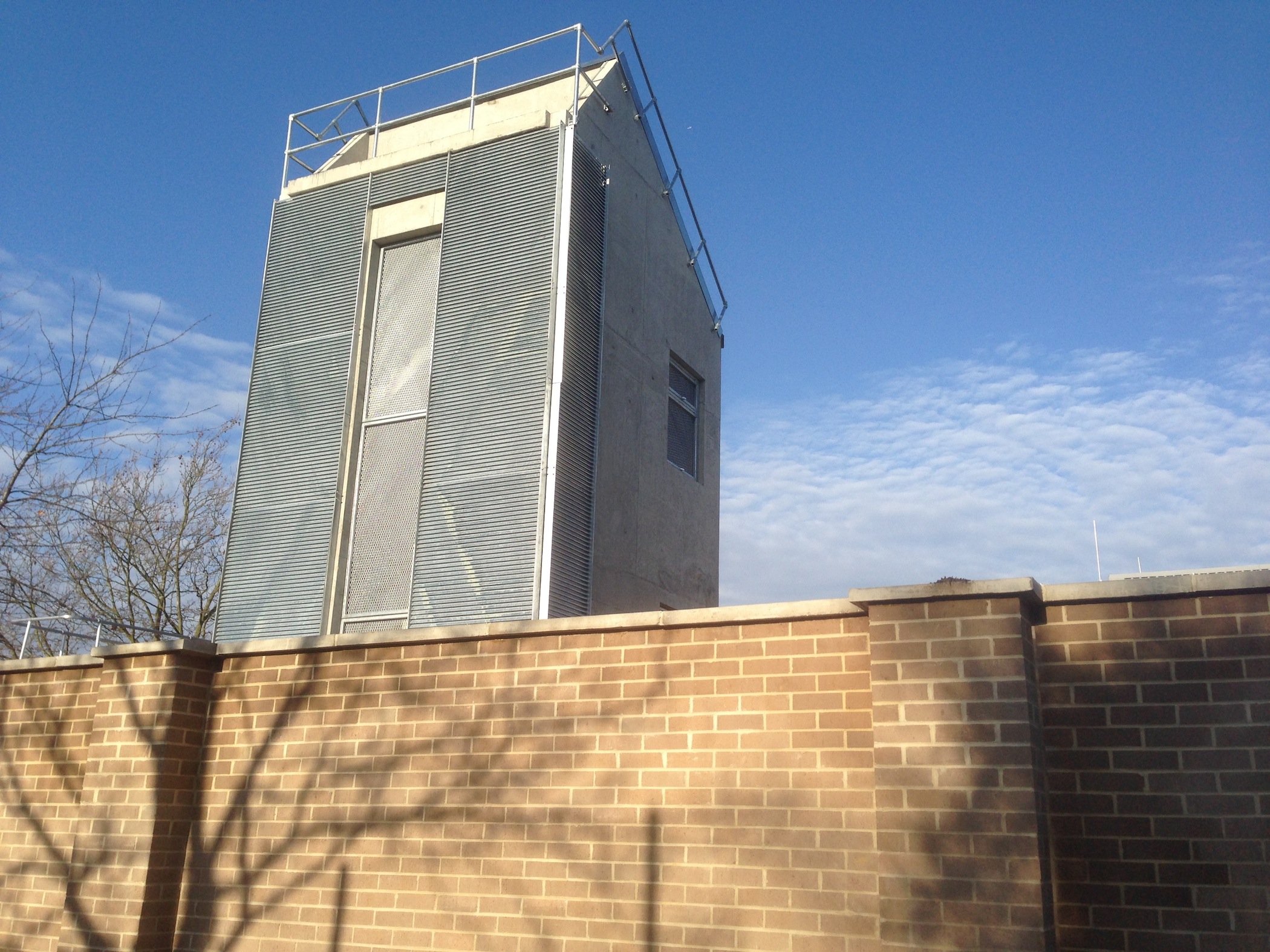
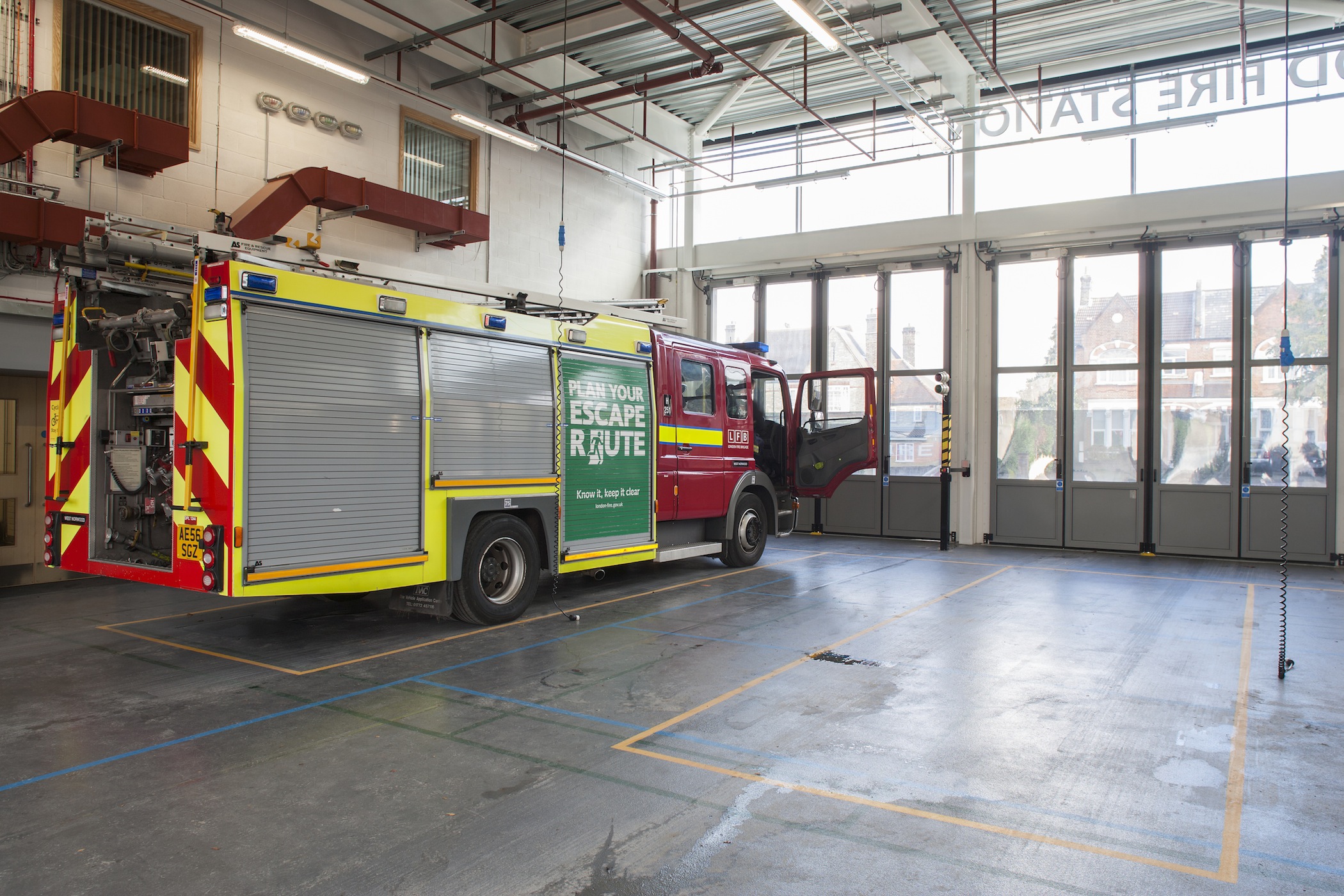
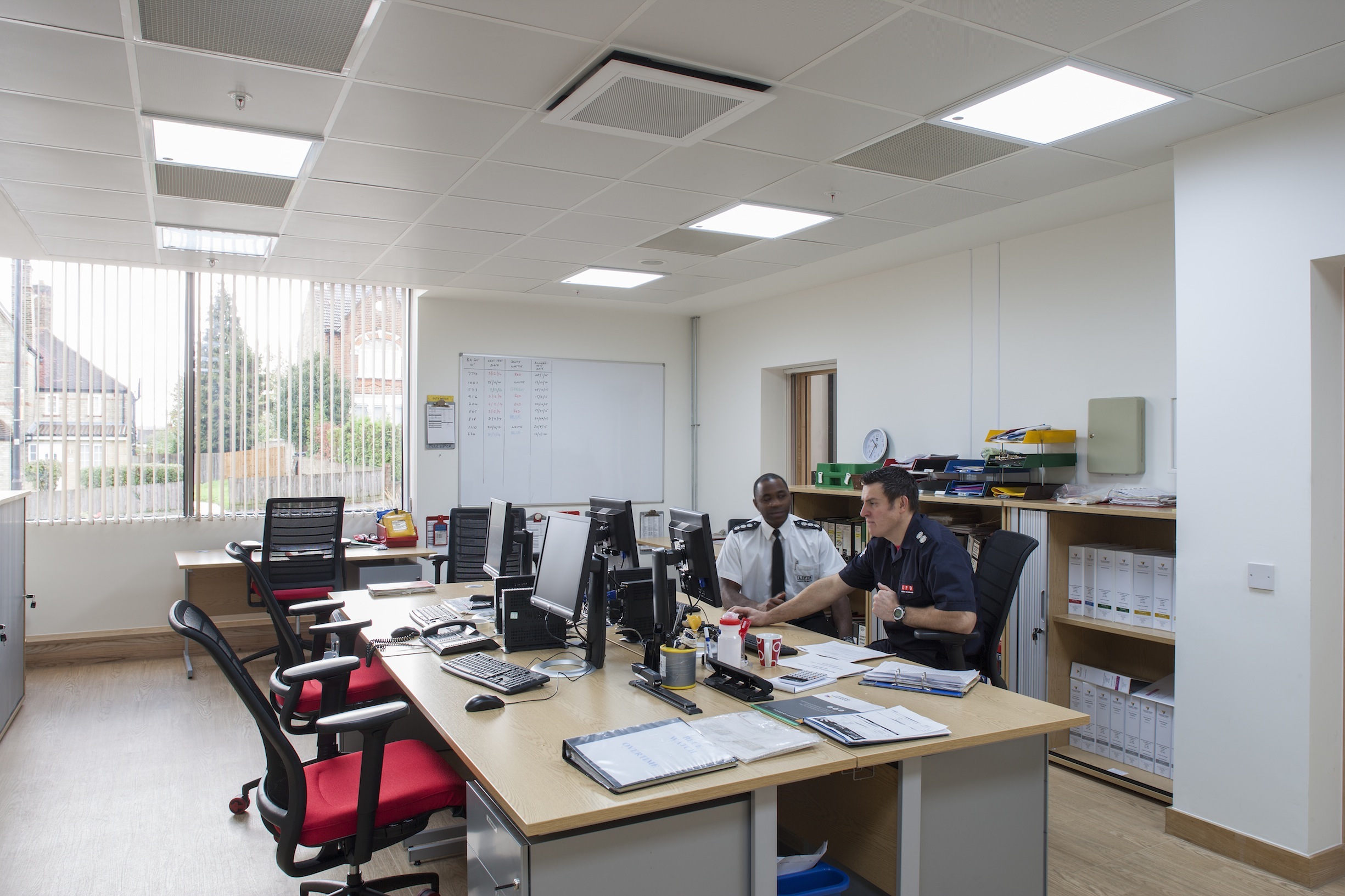
The case for relocating the old West Norwood Fire Station in Norwood Road (built in 1914) was first made in 2008. The old fire station was listed (Grade 2) in 2006 but was unsuitable for the needs of a modern fire service. Feasibility studies were commissioned but the economic & operational case and for refurbishment could not be made. A site became available at 210 Knights Hill in 2010 and planning permission was granted in 2012. Works commenced on site in August 2014 and the new fire station was fully operational in October 2015. The proposals for the new build fire station were developed in accordance with the LFB Standard Station Brief. The building is capable of allowing for future changes e.g. as the proportion of men and women based at the station changes. The new fire station is a 2 storey building arranged in an ‘L’ shaped plan to suit the 210 Knight’s Hill site which is surrounded mostly low rise housing. The new fire station has a 3 storey training tower and yard to the rear of the property. An important benefit of this arrangement is to pull the proposed building away from the north and west boundaries, beyond which are dwellings, in order to remove the prospect of noise and overlooking issues. The ‘L’ shape footprint also forms a yard / training space at the south west corner of the site, and shelters the private dwellings to the north and northwest of the site from the nosiest activities on the site (a planning requirement). The building presents a clearly accessible and fully DDA compliant building to the neighbourhood. There is a community facility that provides an area in which LFB can actively engage the community on how best to reduce the risk of fires and other emergencies. The community facility will also enable LFB to host and facilitate inter agency initiatives. The flexible design allows for an efficient and effective use of public money by reducing costs associated with energy use, maintenance and refurbishment. The solutions will reduce energy and water demands, reduce running costs and improve the fire station’s environmental performance by incorporating high levels of thermal insulation, natural light, natural ventilation, micro CHP, efficient boilers, rain water harvesting photo voltaic panels. The elements of sustainable development incorporated within the design will reduce environmental harm and allow the Authority to positively influence the built environment in support of the Mayor’s CO2 reduction target of 60% by 2025. The Authority’s consultant has estimated a saving in energy cost in the order of 40% based upon present day prices. The new fire station has been designed to achieve a BREEAM classification of acceptable performance of ‘very good’.