Copper Garden House, Hamilton Terrace
Westminster
Project Details
£1m to £1.99M
Alteration to existing property, Listed Building - Grade II, Within a Conservation Area
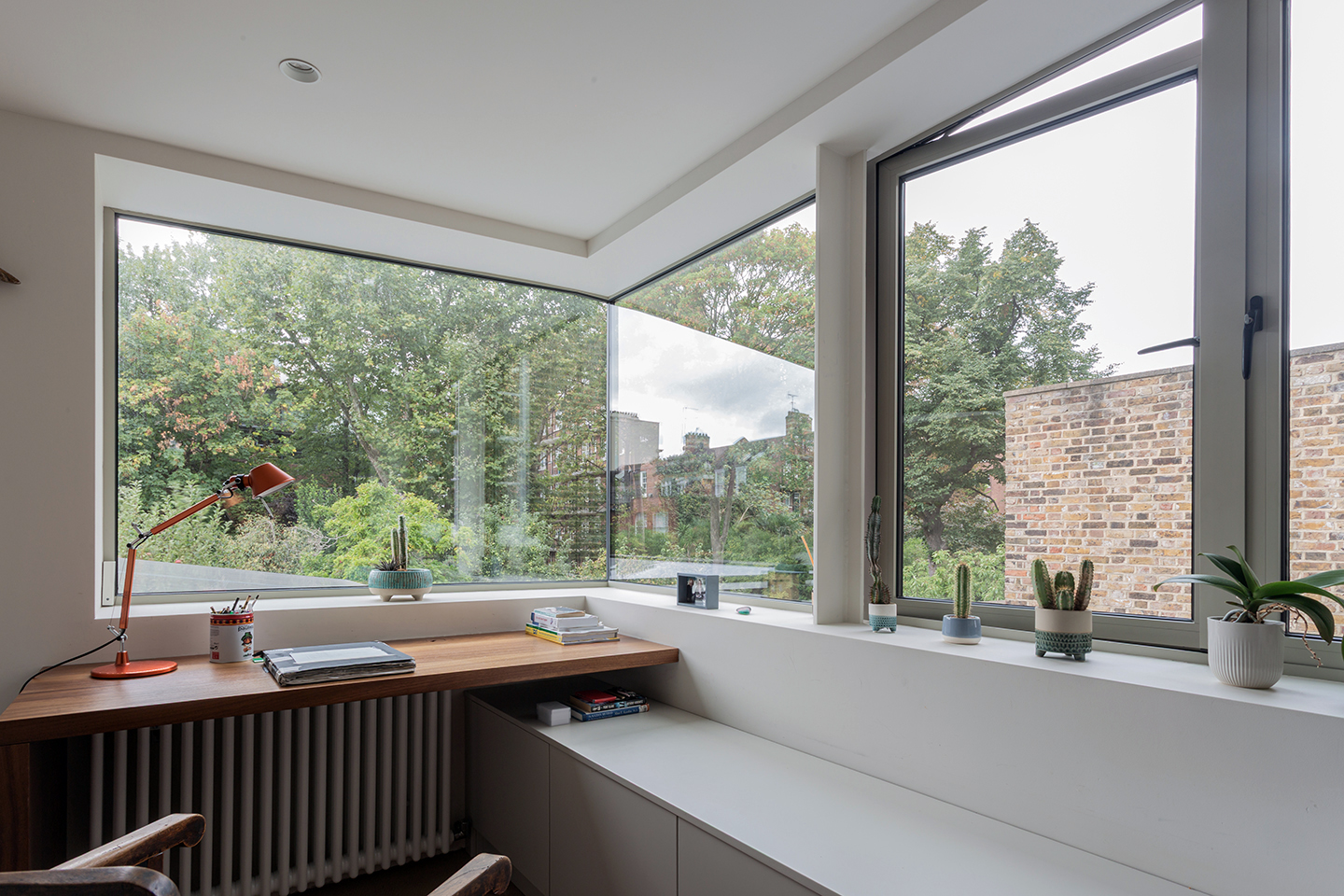
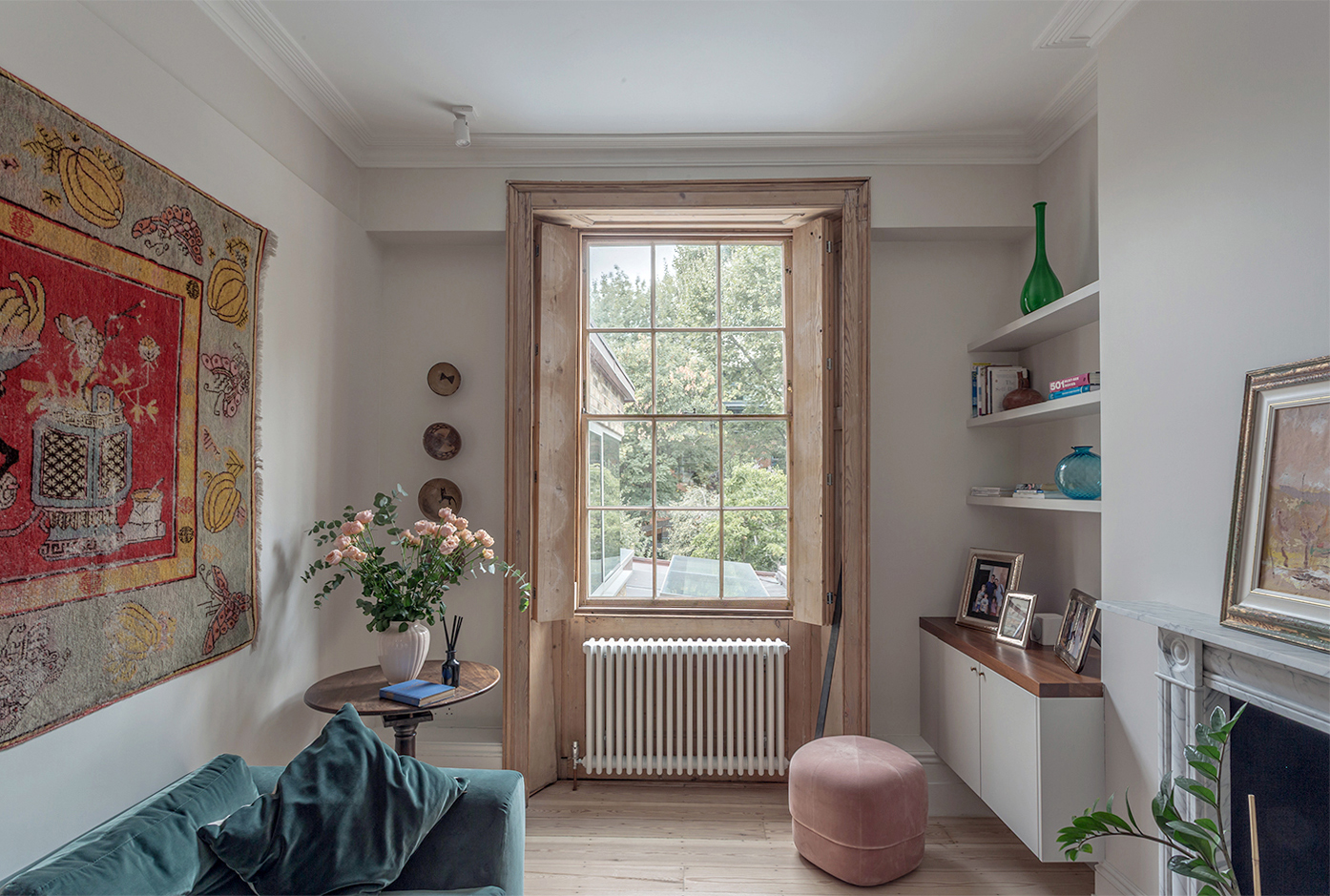
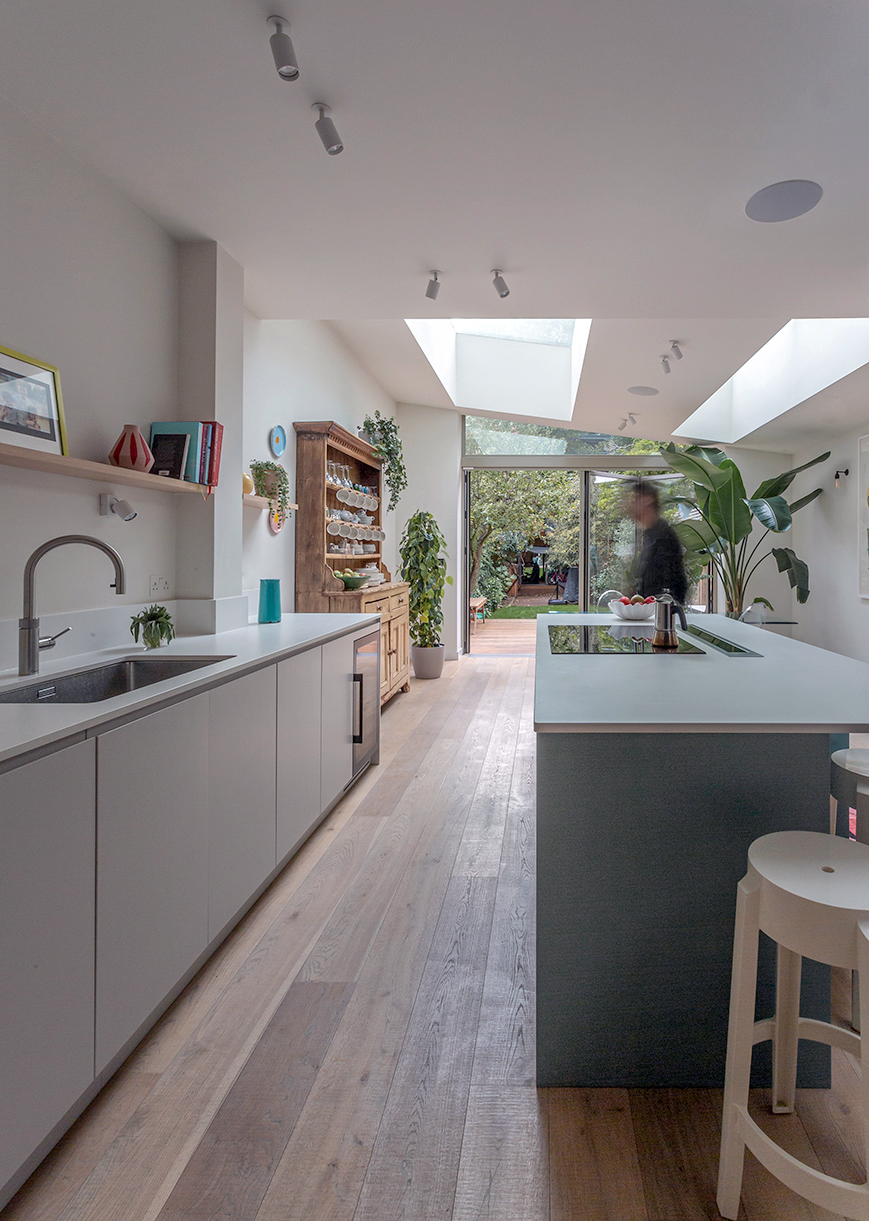
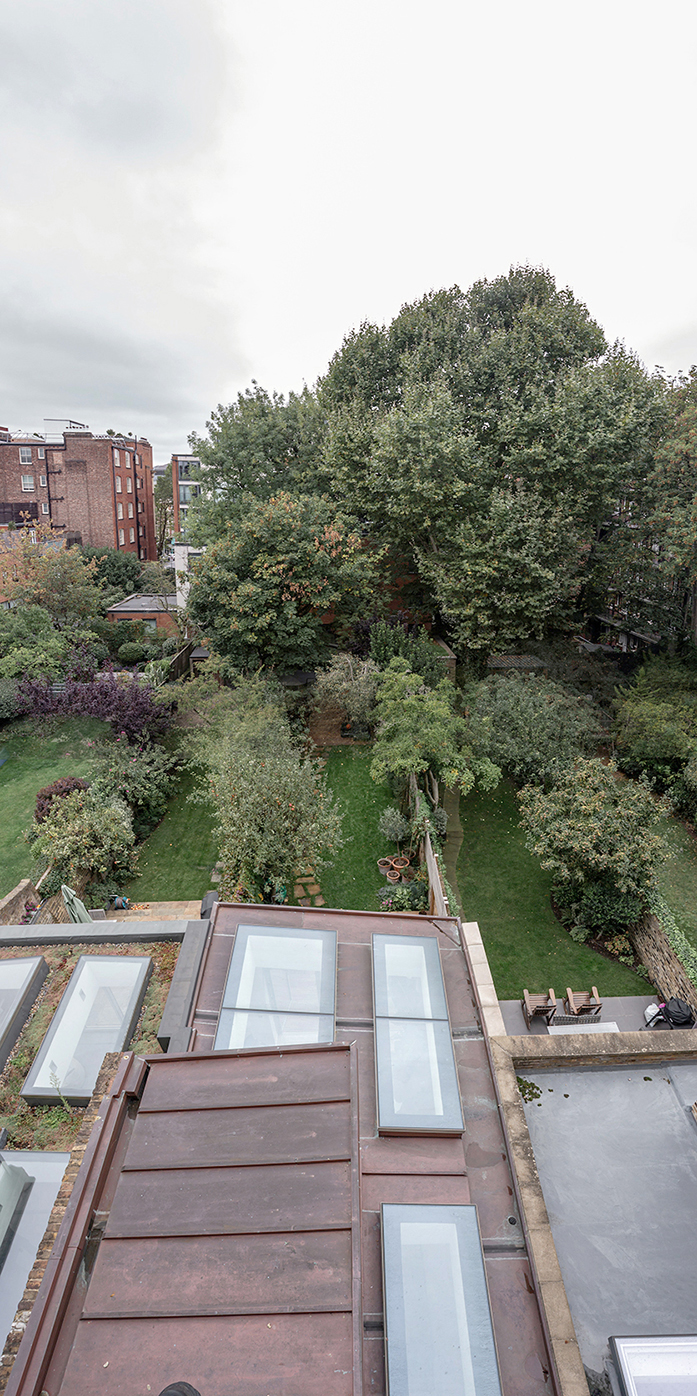
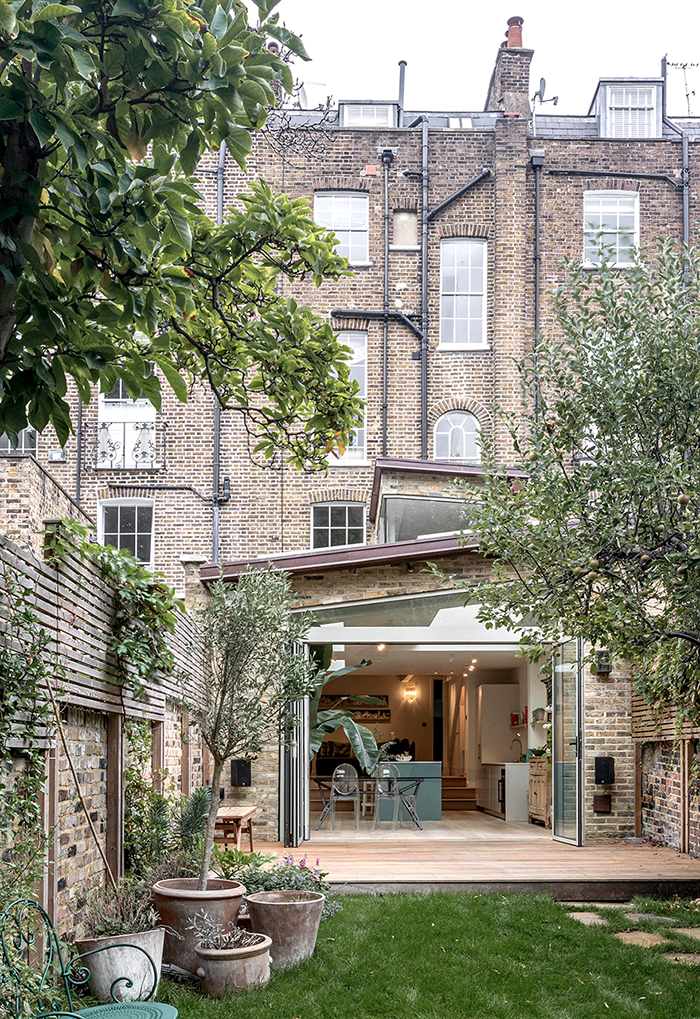
Copper Garden House, Hamilton Terrace Set within the St John’s Wood Conservation Area, this project reworks a Grade II listed early nineteenth-century terrace house in London. The scheme addresses a building that had undergone a series of incremental alterations, particularly to the rear, resulting in a fragmented plan and a limited connection to the garden. Working frequently within listed buildings, the approach focuses on retaining significance while carefully introducing new elements that support contemporary living. The principal façade and overall proportions are preserved, while interventions are concentrated to the rear and within areas of limited historic value. A new rear extension replaces a late twentieth-century conservatory, extending the plan and establishing a clearer relationship between the house and its garden. The addition is defined by a standing seam folded copper roof, which mediates between neighbouring conditions and introduces a durable material that will weather over time. Rooflights are integrated within the form to draw daylight deep into the plan and organise the internal sequence. At ground floor half-landing level, a dedicated study is introduced within a secondary extension, providing a more private workspace with direct views to the garden. Internally, non-original partitions are removed to re-establish a more legible arrangement, while the upper floors retain their cellular structure with targeted adjustments to improve circulation and use. Material interventions are restrained and precise. Existing brickwork is repaired and extended, timber flooring is reinstated, and new joinery is integrated within the thickness of the existing fabric. The result is a considered reorganisation of a listed building, where light, material and spatial sequence are brought into alignment, and where the relationship between house and garden is fundamentally improved.