Chantry Mews
Dorset
Project Details
Brownfield site
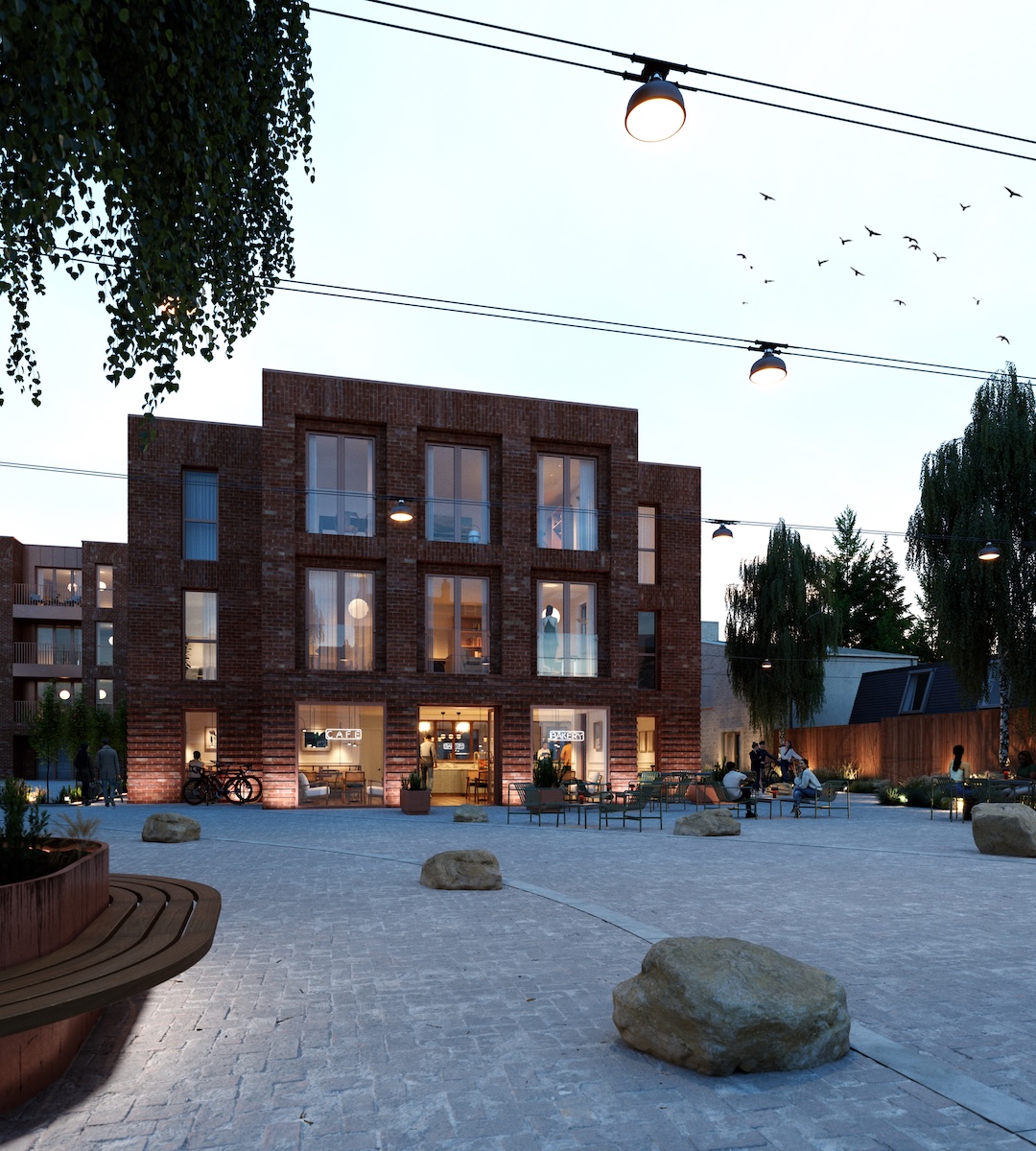
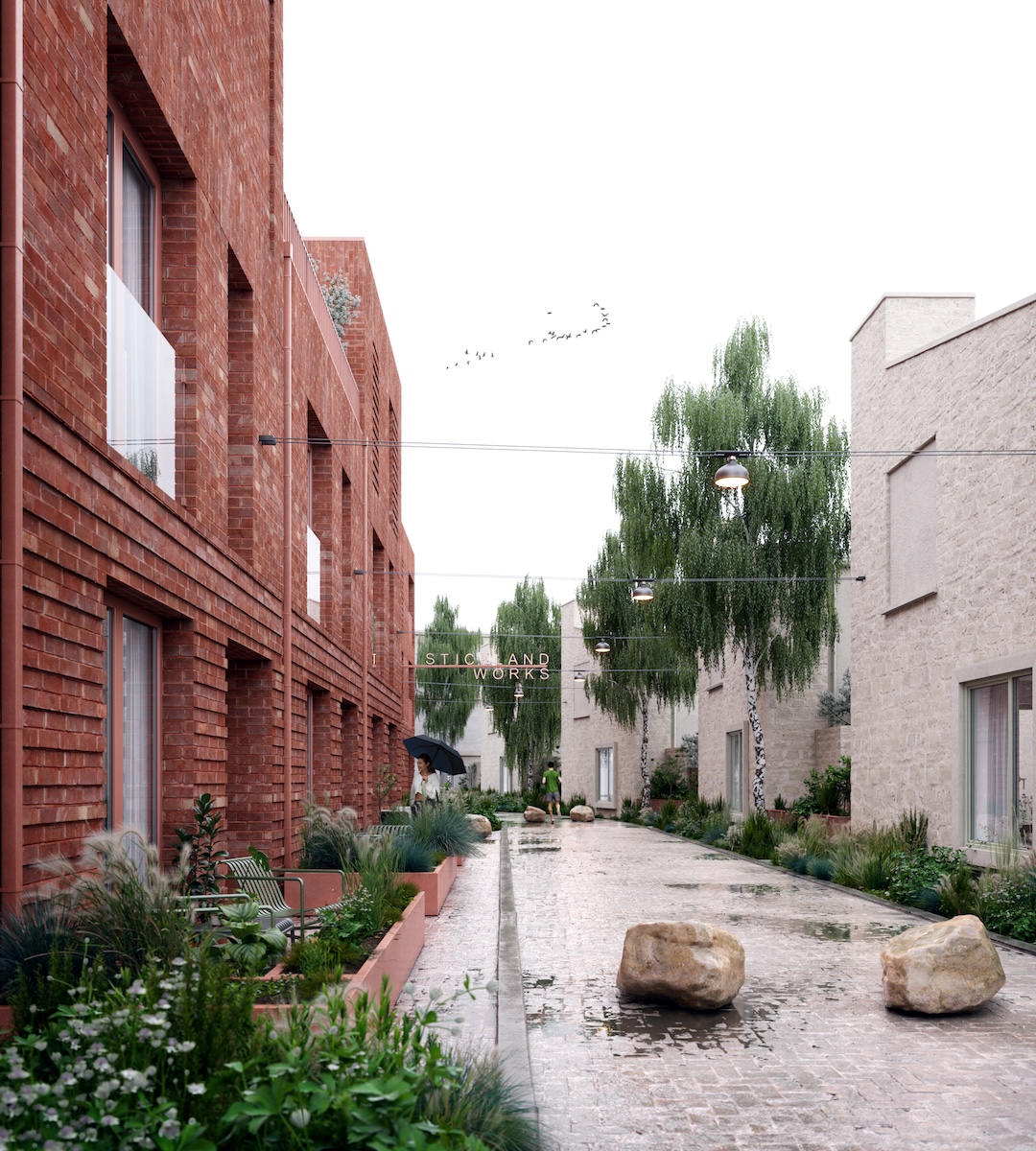
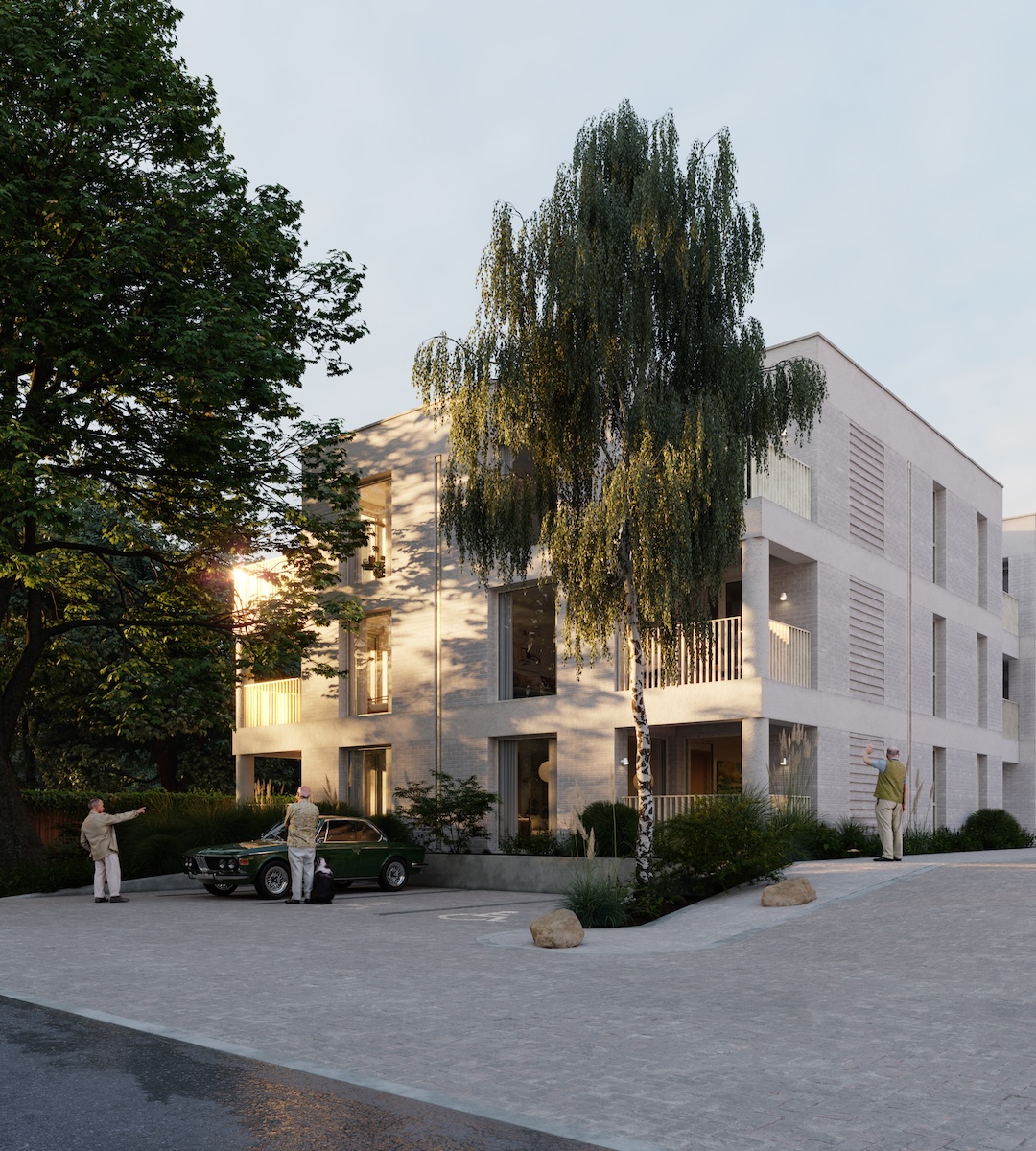
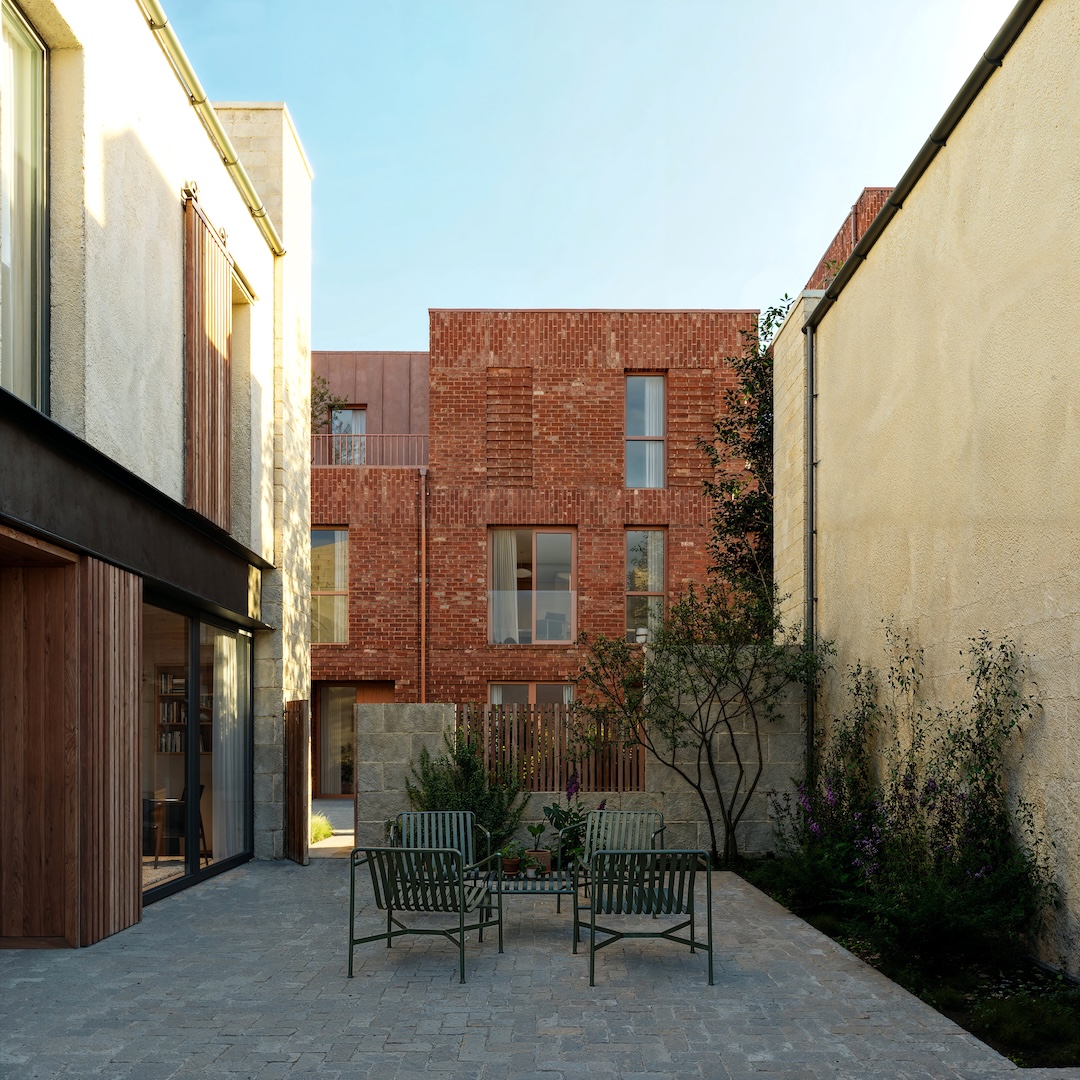
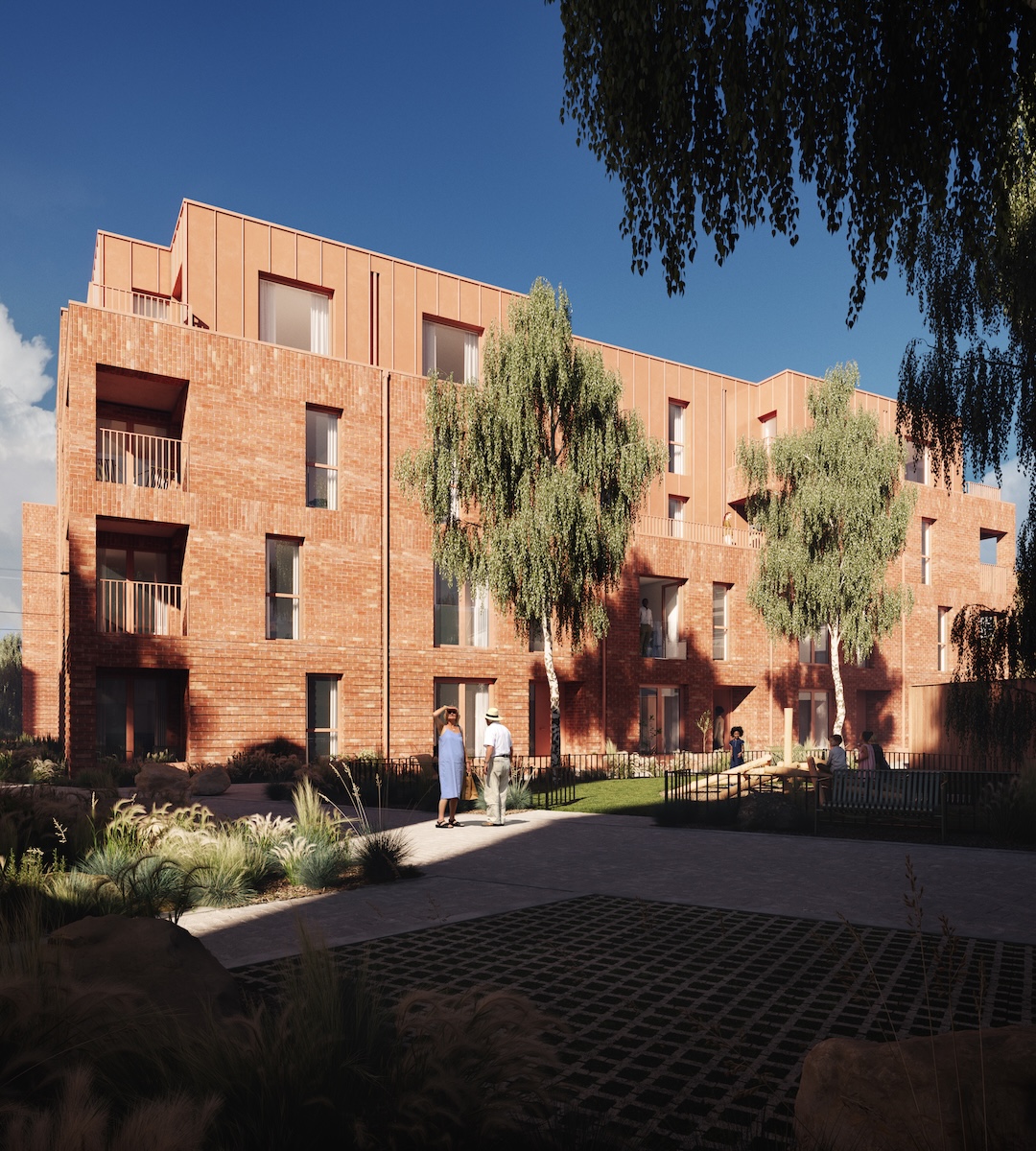
Chantry Mews project, a significant residential-led, mixed-use development in Gillingham, Dorset, has received planning consent following a successful appeal process. The project, initially recommended for approval yet rejected by planning committee, was later consented by the Planning Inspectorate, marking a pivotal moment for the regeneration of the town’s high street and community. Chantry Mews has been designed to set a new benchmark for sustainable development in the region. Located on Gillingham’s High Street, the project aims to transform a long-vacant site into a vibrant, community-focused neighbourhood. The development will deliver 42 residential units, including four houses, 30 apartments, and eight assisted living apartments, alongside 83 sqm of commercial space. A communal garden, green roofs, and extensive landscaping will ensure that nearly one-third of the site is dedicated to green space, encouraging a healthier, greener lifestyle for residents. The project also includes a pedestrianised “green link” that will connect the high street to the surrounding countryside, promoting walking and cycling in the town. This connection will be lined with play areas, allotments, and green spaces, creating a community-oriented environment. The central feature of the development, Stickland Works, will house a new town square, providing a focal point for residents and visitors alike. Holland Harvey’s design philosophy is rooted in its commitment to people and the planet. Chantry Mews embodies these values by proposing the use of local materials and labour, low-carbon construction techniques, and innovative environmental design features. Solar panels, green roofs, and sustainable urban drainage systems will minimise the project’s environmental impact. Generously sized homes with full- height windows, high ceilings and thoughtful building orientation will maximise daylighting, provide natural ventilation and reduce energy consumption. The project’s journey to planning consent was not without challenges. Initially recommended for approval by the local authority, the project was rejected at committee stage before being successfully appealed. Following a thorough review, the Planning Inspectorate upheld the appeal, recognising the project’s financial viability and positive impact on the town centre’s vitality. The report concluded that the project will contribute significantly to the local economy by increasing footfall and supporting high street businesses. Additionally, the development will create a net biodiversity gain of 260%, enhance local green spaces, and provide much-needed new homes for a range of local residents, including families and the elderly. Hopkins Estates, the client behind the development, is committed to delivering a scheme that will enhance the quality of life for Gillingham’s residents while preserving the town’s heritage. By transforming a derelict site into a thriving community hub, Chantry Mews will play a vital role in the town’s future growth and sustainability. The redevelopment of this site, which has stood vacant for over a decade following a fire in 2012, represents a new chapter for Gillingham’s town centre. Including a town square, community gardens, and a new children’s playground will provide residents with much-needed social and recreational spaces.