Komorebi
Southwark
Project Details
£250,000 to £499,999
Alteration to existing property, Brownfield site, Listed Building - Grade I, Listed Building - Grade II, Listed Building - Grade II*, New Build, Para 79 house, Scheduled Ancient Monument, Sited in AONB, Sited in Greenbelt land, Sited in SSSI area, Within a Conservation Area
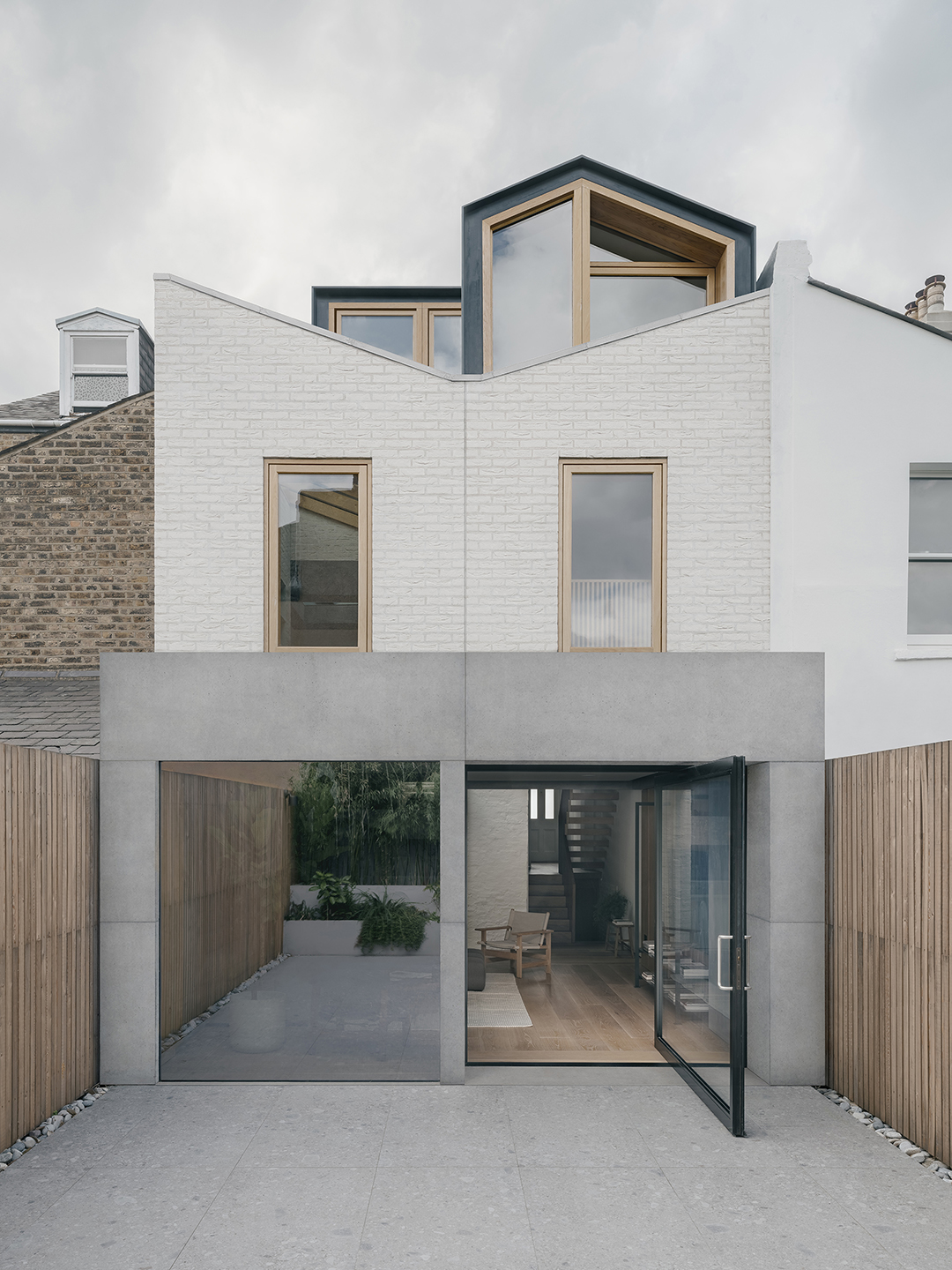
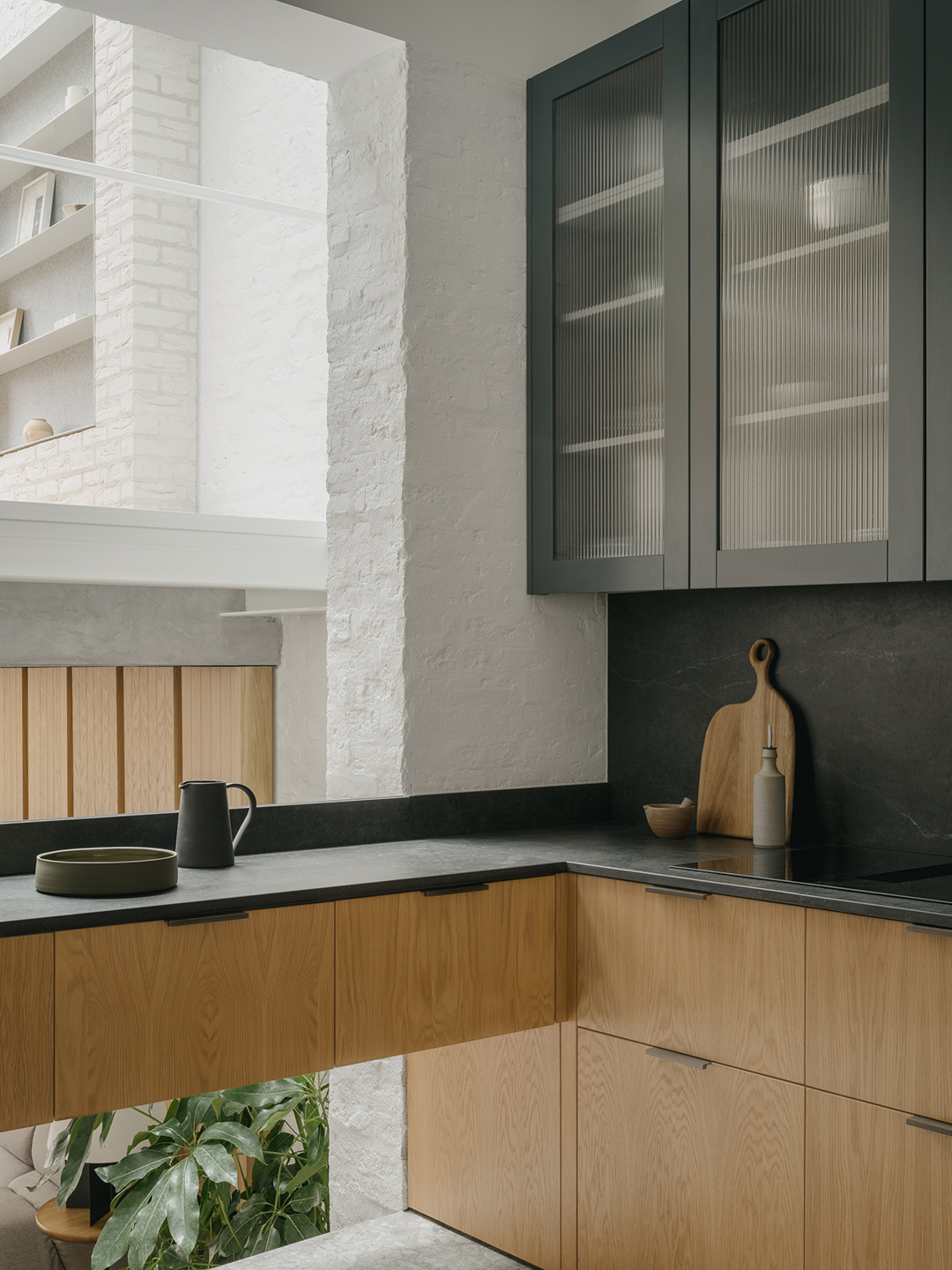
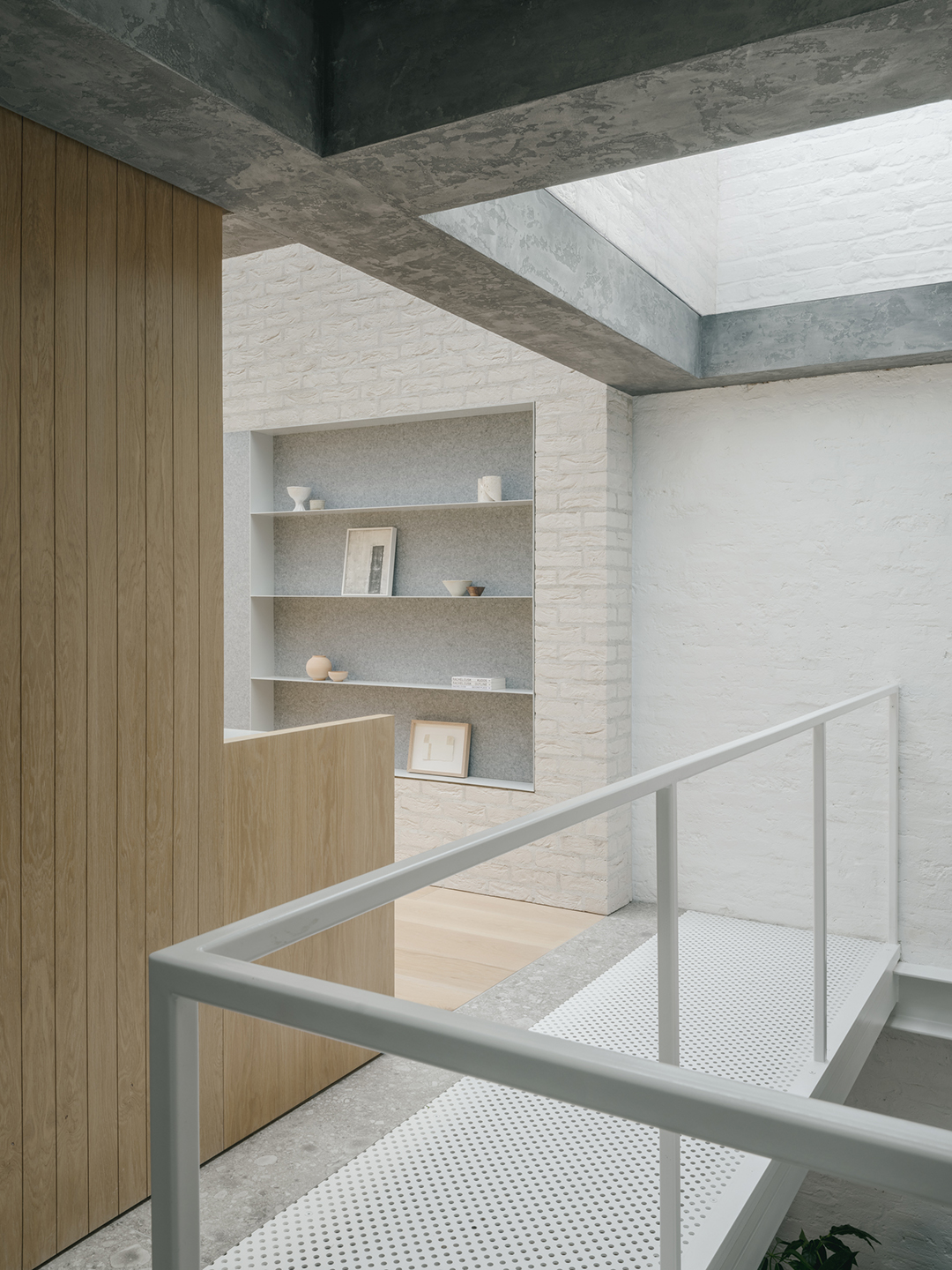
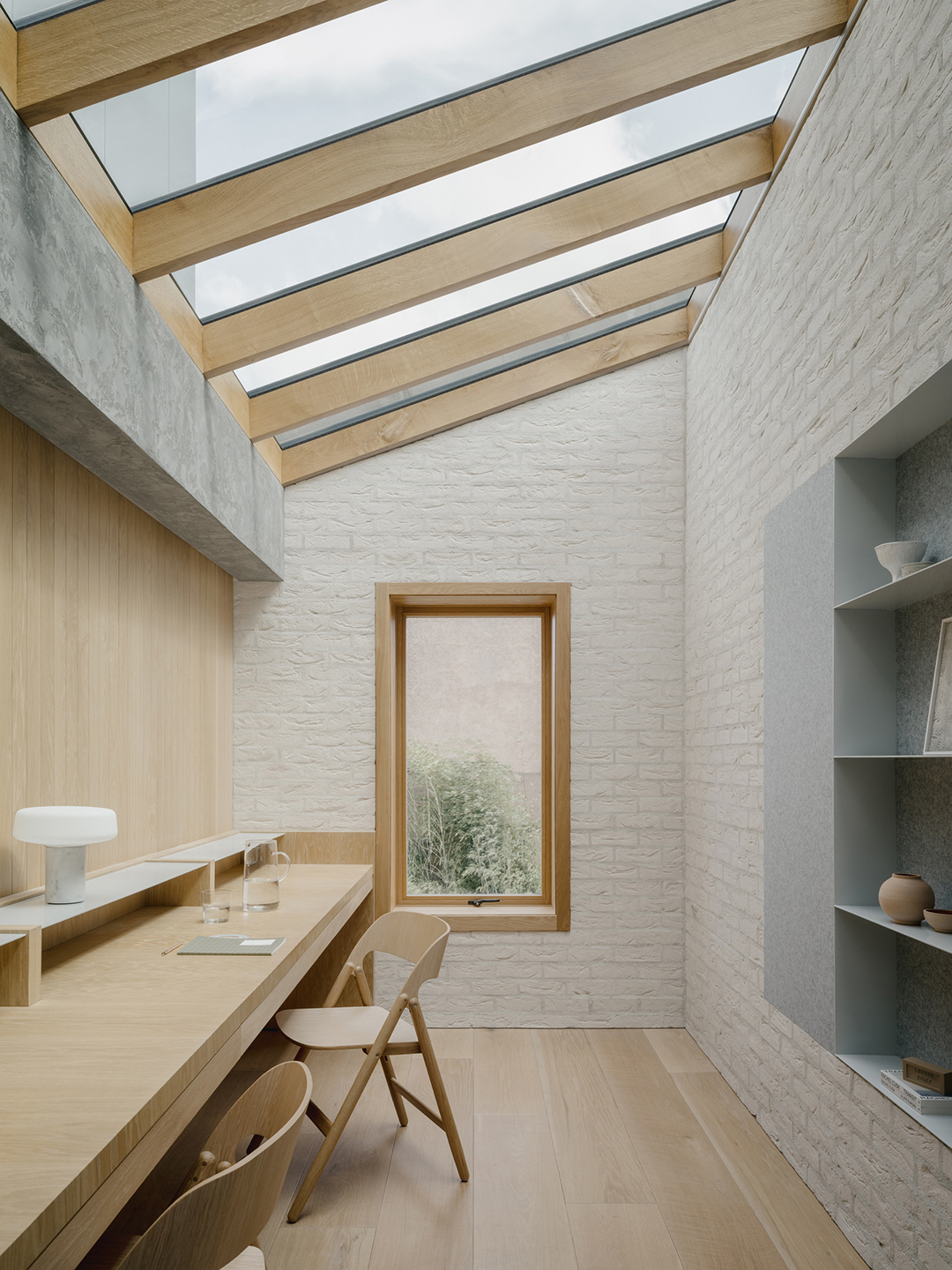
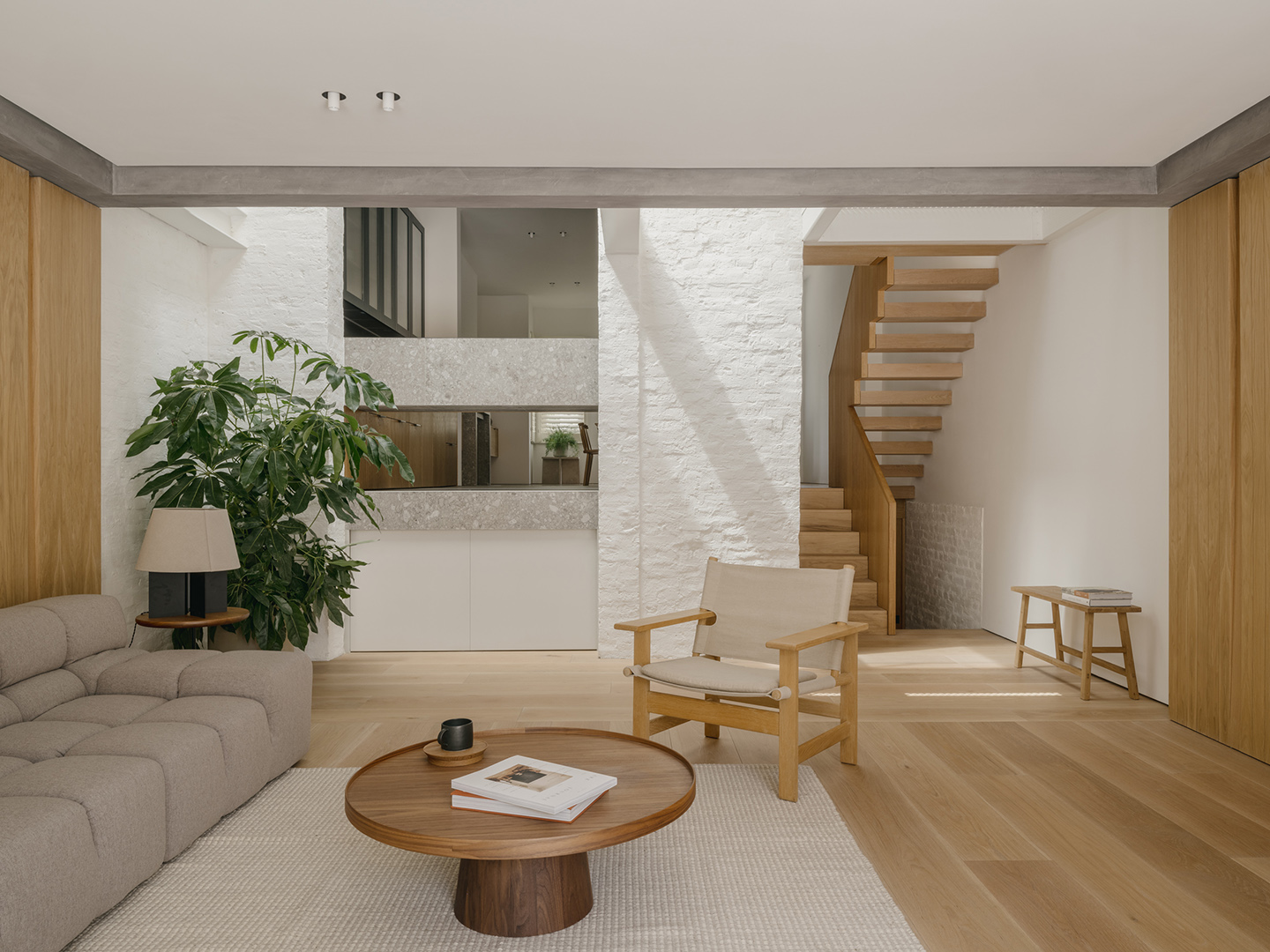
Designed for a father and his two sons, the project prioritises spatial connection, natural light, and material expression, drawing inspiration from the Japanese concept of komorebi: the quiet, uplifting feeling of dappled sunlight filtering through leaves. From the street, Komorebi sits within a familiar rhythm of brick and rendered facades. It is unusual in its clear separation between front and back, the front retaining its original character, while the back is entirely new. Step inside, and the house begins to unfold in unexpected vertical and horizontal layers. A series of precise architectural interventions work with, and celebrate, the existing structure, using it as a framework to create a home that is open, functional, and cohesively bound by light across all levels. The project began with an uncommon feature for a London terrace, a well-lit central rooflight drawing daylight deep into the centre of the split-level plan. Rather than erase this feature when infilling above, ConForm amplified it, extending the void upward and making it the project’s emotional and architectural core. Vertical and horizontal connections are enhanced through open stair treads, open voids, and perforated steel floorplates that filter light, air, and sound between levels. Light passes through these layers in shifting patterns, connecting the family wherever they are within the home. Brickwork slurried with a whitewashed mortar gives a raw, luminous quality to the central void, allowing light to bounce freely. The brief called for new shared spaces the family could inhabit flexibly as they grow and their needs evolve. A pod room on the second floor offers the teenage boys a retreat; a library-like, vaulted and heavily glazed study sits within a new first-floor infill extension; and the ground floor is unified from front to back with an open counter between kitchen, dining, and living spaces. These zones reflect the family’s rhythm with the boys occupying the top floor, the father on the middle floor, and shared areas cascading below. Materially, the home is unified by a consistent tactile and calming palette. Oak, whitewashed mortar, new chalk-white bricks, concrete downstand beams, perforated steel, and ceppo di gre bring cohesion and subtle variation to each space. The contrast between raw brickwork and concrete against refined stone and timber generates a quiet complexity, softening the openness of the vertical arrangement.