The Sanctuary

Project Details
£5m to £9.99M
Within a Conservation Area
Practice
Boon Brown Limited , Motivo , Alvington , Yeovil , Somerset , BA20 2FG , United Kingdom
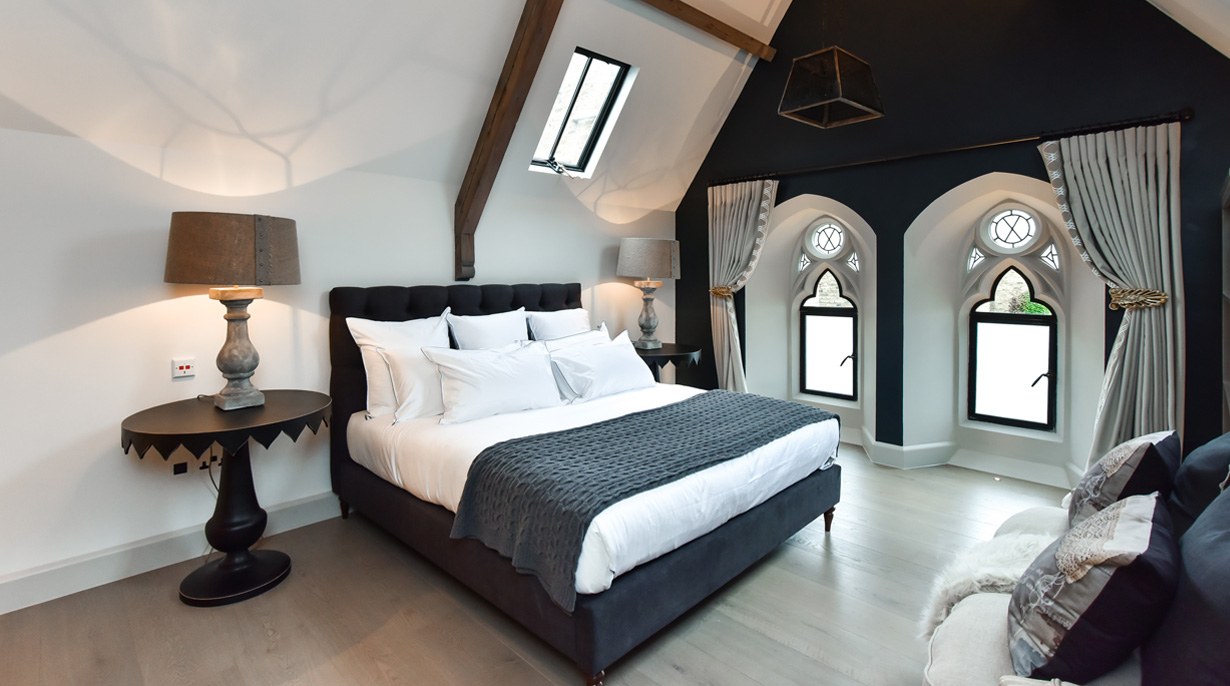
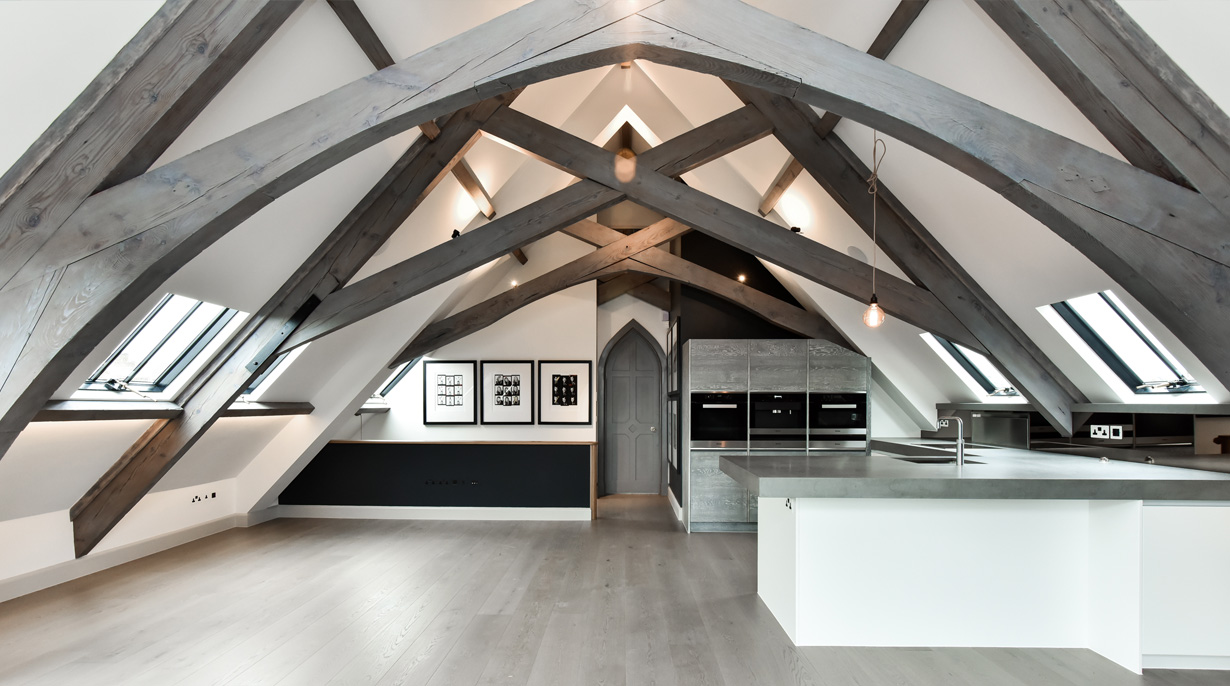
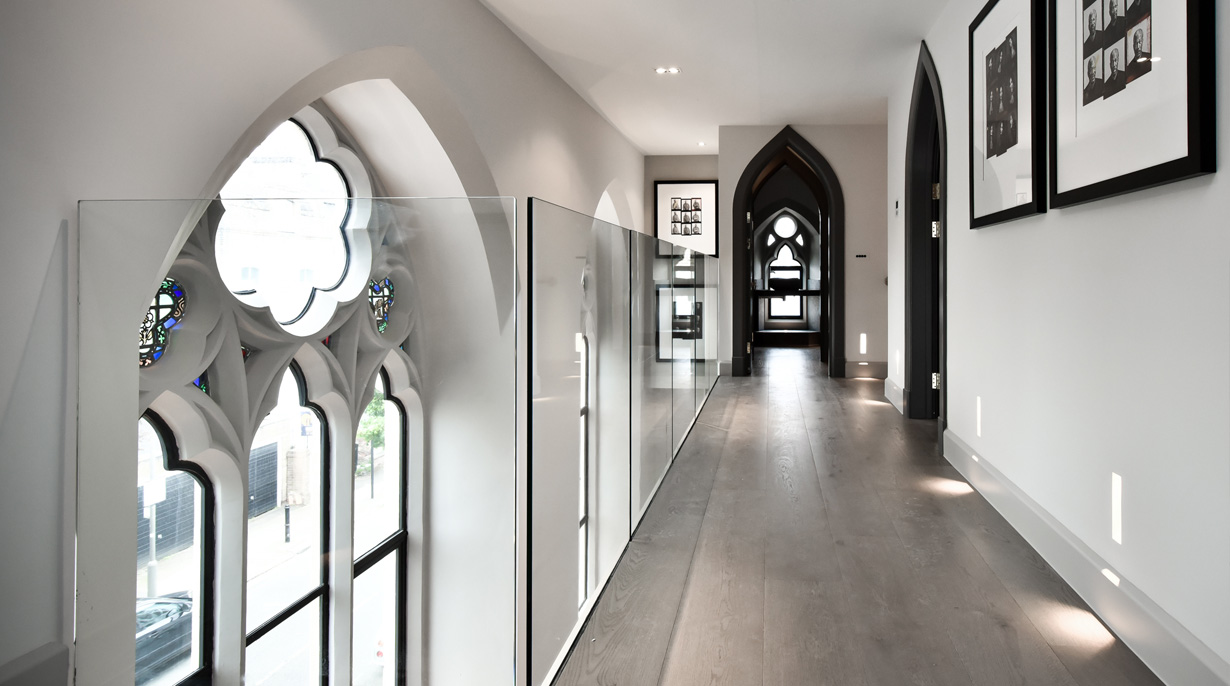
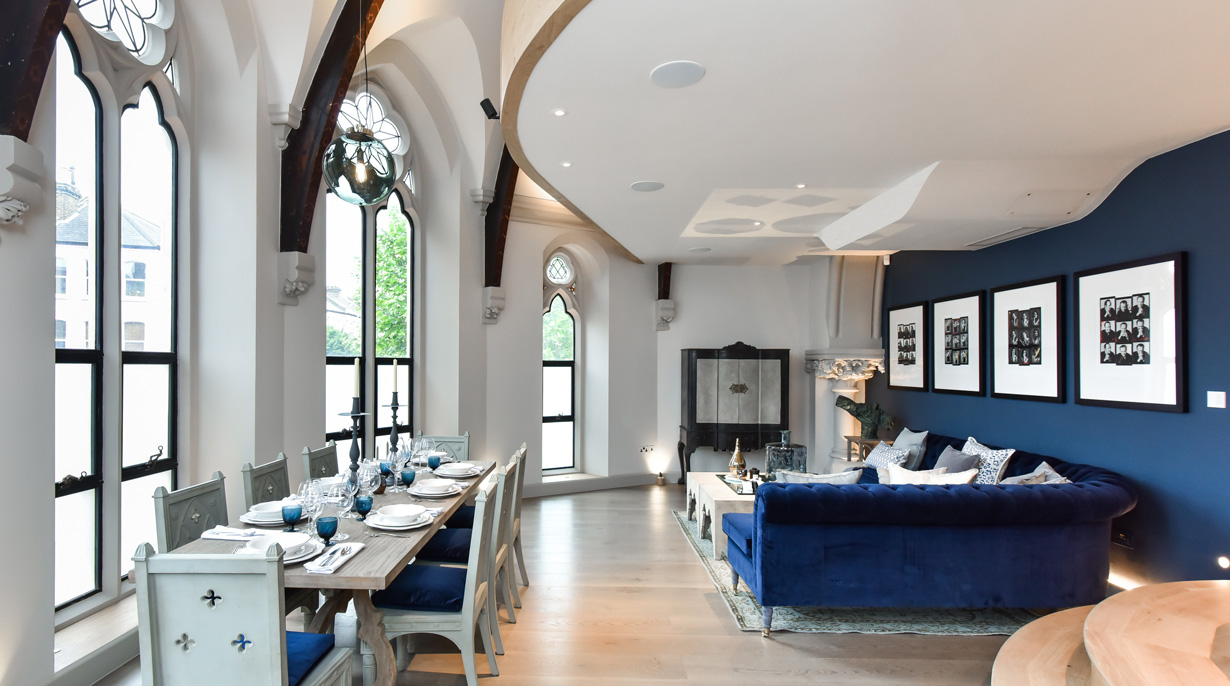
The former St Paul’s Church is a locally listed building occupying a prominent position within the St John’s Hill Conservation Area. Following the demise of its original use, the building became low key community use and suffered from neglect and disrepair due to zero investment. The original church fabric remained wholly intact but ragstone walling was in deterioration, the stone spire required urgent structural attention and the roof and leaded stained glass windows were failing. The objective of the development was to create an opportunity for private investment that enabled holistic renovation by seeking a new value-generating change of use. Accordingly, a development team was assembled by South London Land / James Laurence Group in 2010 and included Boon Brown Architects, City Planning and Turley Heritage to convert the building into community use and residential accommodation. The resulting sensitive design is a great example of a private developer and his consultant team engaging closely with Wandsworth Council Conservation Officers to create a sympathetic refurbishment and change of use. The complete external stone fabric has been restored, new supporting structure has been integrated into the spire, leaded windows are refurbished and replaced and the internal sub-division carefully responds to heritage features. The Sanctuary is a striking example of an exemplary church conversion and redevelopment to introduce a modern use into a heritage asset. The development consists of two parts: the conservation, refurbishment, alteration and change of use of the locally listed church and the efficient redevelopment of the former dilapidated church hall into a new house. Care was taken to ensure that the subdivision of the church into community use and residential apartments was dealt with sympathetically to ensure that historic features of form, orientation and fenestration remain unspoilt and become fully integrated into the new modern use. An example of this is how the church tower and spire has been introduced into the layout of two apartments to create an extraordinary and unusual addition to living space by the means of a frameless glazed link. The church rag stone walling has been fully restored, repaired and cleaned to resemble its original condition; the corroded contraction bands in the spire’s stonework have been cut out, removed and replaced with new and the leaded stained windows have been fully refurbished and reintroduced into the stoned surrounds. New party walls and floors were inserted to respect window positions and internal features so that new habitable rooms sensitively relate to the original fabric and a new basement was excavated to ensure that community floor space is retained on a like for like basis as the original use. Conversions of historic buildings fail when commercial requirements for the new modern use prevail and a sense of space is lost. In this instance, all stonework and brickwork has been painstakingly restored and renovated with the greatest attention to detail to preserve the original character and integrity of the building and these features form the internal character of each apartment and each room. New features like the external lighting, internal custom-made joinery, arch shaped doors and bespoke furniture were introduced to accord with the language of the original building. Sophisticated IT and audio visual systems have also been fitted to complete this beautiful 19th Century locally listed church conversion into sophisticated luxury living space.