Social Housing Passive House Prototypes
Islington

Project Details
New Build
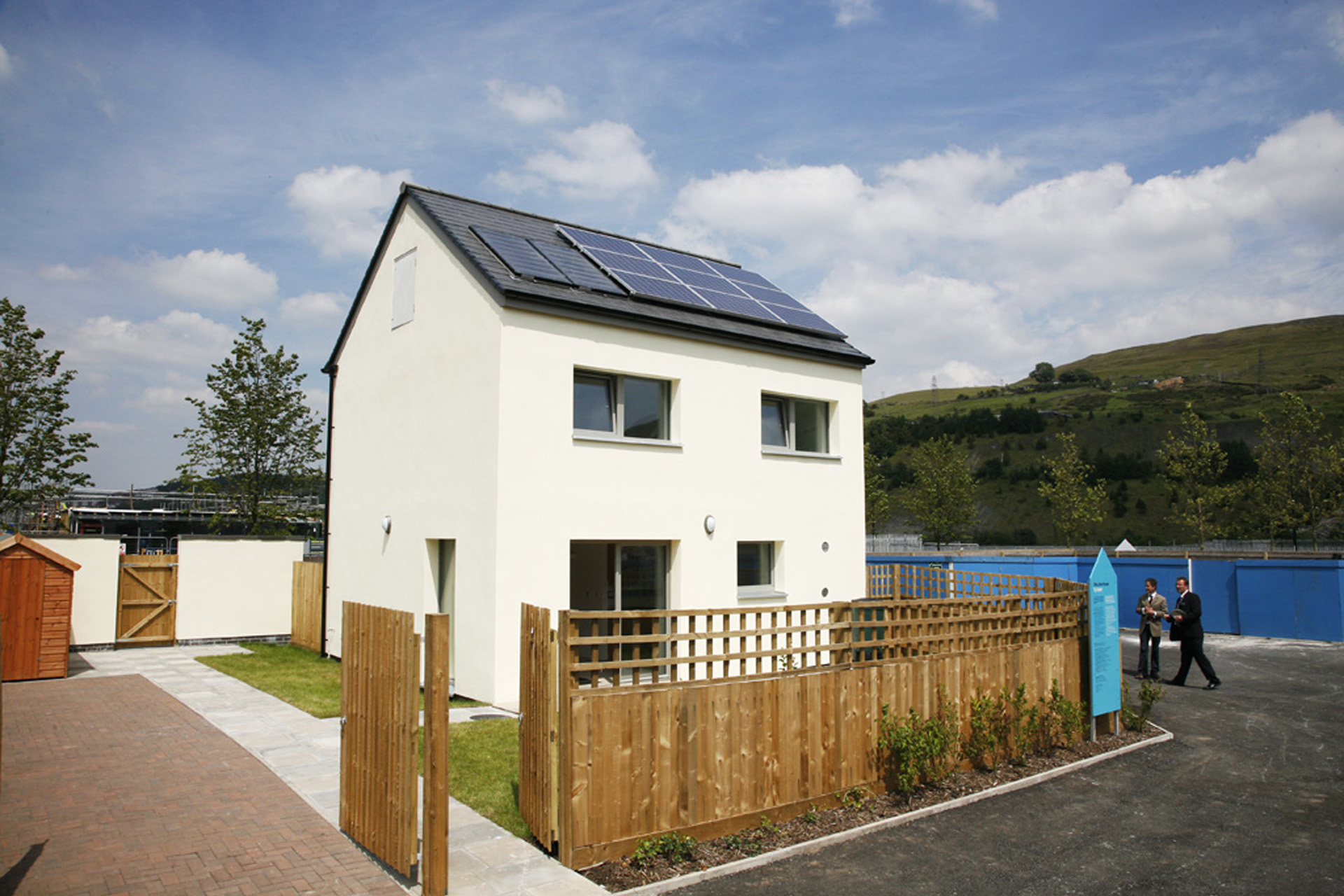
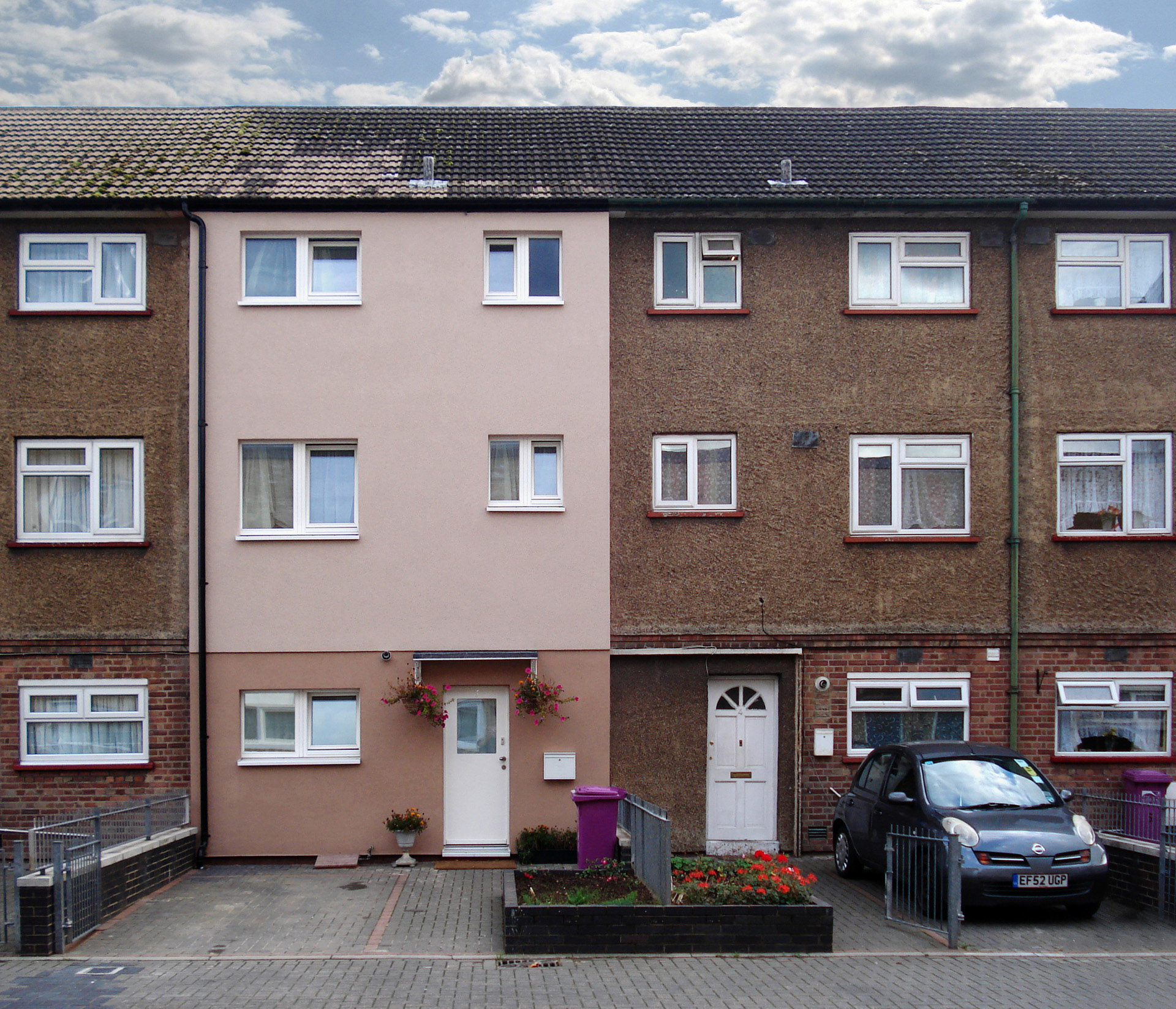
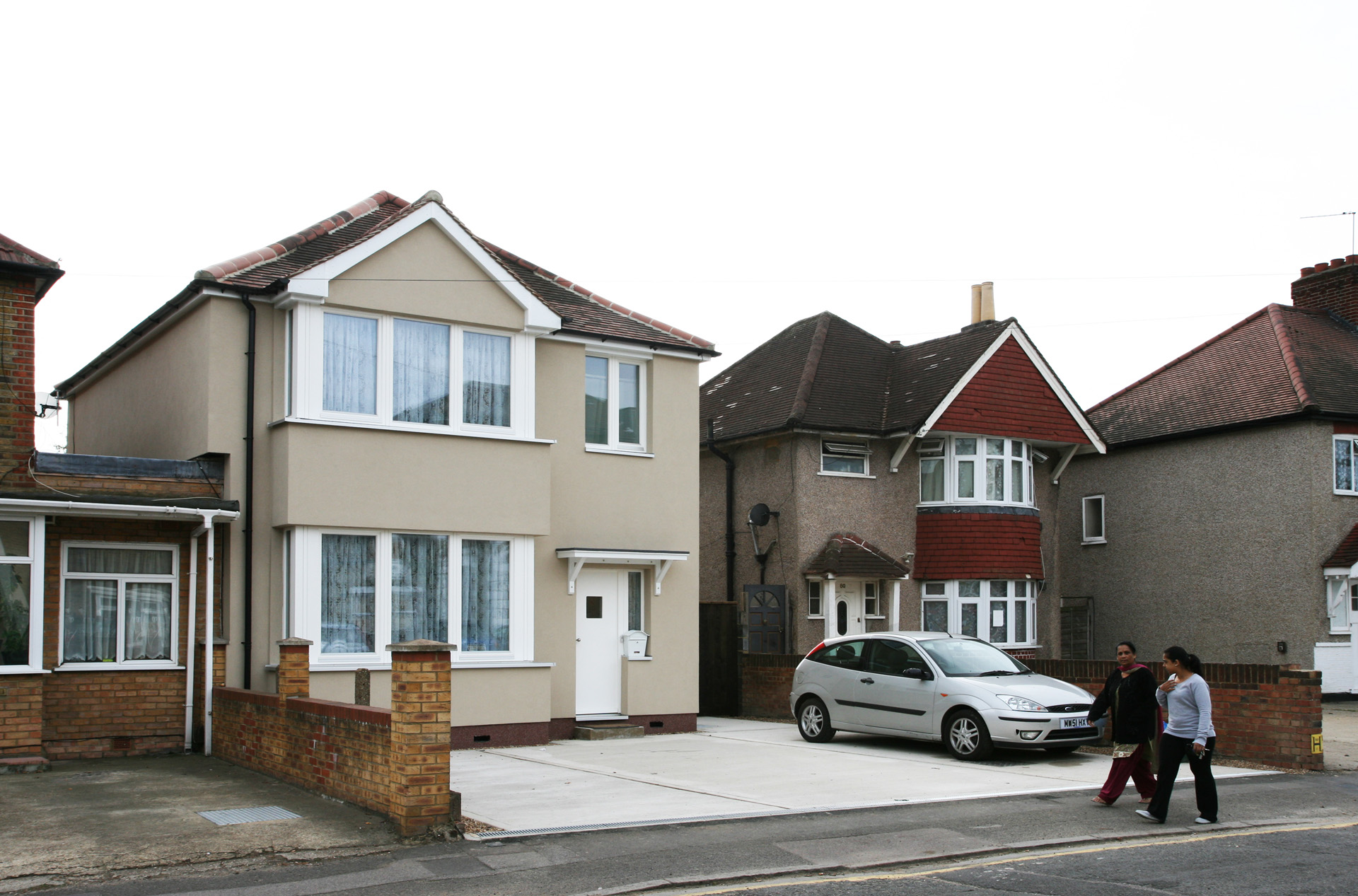
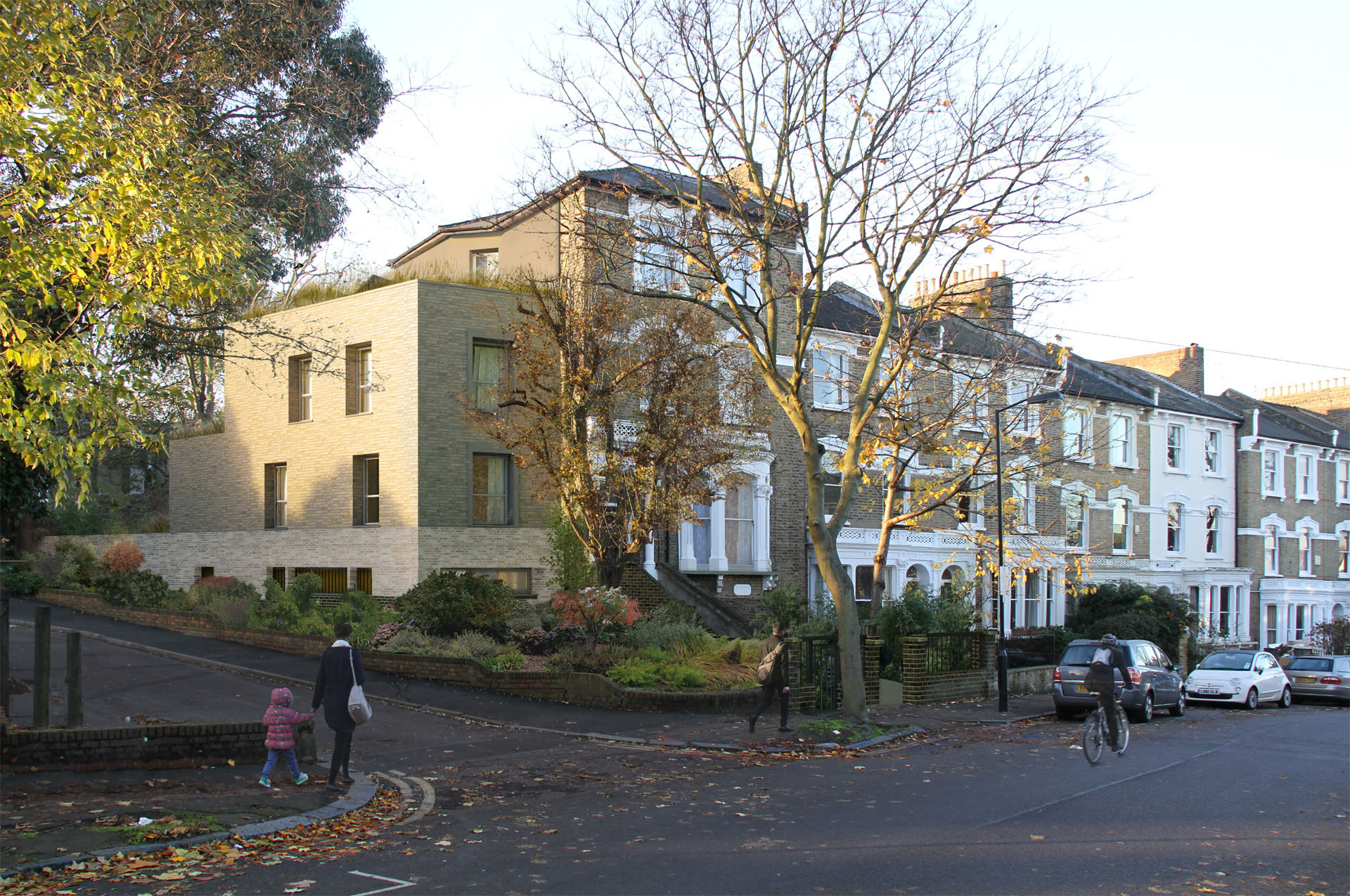
bere:architects designed two prototype houses in Ebbw Vale, Wales, named Larch House (for its larch cladding) and Lime House (for its lime render). Learning from these projects, bere:architects are currently working on low-energy council housing for the London borough of Islington. This project, on Highbury Quadrant, is the retrofitting to Enerphit standard of a run-down Victorian end-of-terrace flat conversion, and the building of a new Passive House family home. The Larch House is the UK's first zero carbon (code 6), low cost, Certified Passivhaus, built as prototype social housing and launched at the National Eisteddfod for Wales in 2010. Designed by bere:architects, the three bedroom house has been built 1000ft above sea level in an exposed and misty hilltop location in Ebbw Vale, Wales. In spite of this, most energy needs are met by heat from the sun, occupants and appliances. Indeed the Larch House generates as much energy from the sun in the summer months, from solar thermal and photovoltaic panels (with an estimated feed-in tariff of over £900 a year) as well as by glazing, as it uses for the whole year making it Zero Carbon by UK definition and showing how we can live comfortably with minimal impact on the natural world. The project utilises Welsh construction materials and has involved development of Welsh skills and training in advanced energy saving building techniques. The collaboration with a Welsh timber framing company, a Welsh main contractor, and United Welsh Housing Association has already achieved the UK's best air test for a free standing house with a result of 0.197 at 50 Pascals as measured by Paul Jennings, one of the UK's most respected air testing specialists and surpasses the Passivhaus standard of 0.6 air changes per hour at 50 Pascals. This result is over three times better than the minimum required by the Passivhaus Institute and right up there with the very best German results. It is about 50 times better than required under UK Building Regulations. This is all the more remarkable as this is the first time this Welsh partnership has ever attempted to achieve the Passivhaus standard. Neighbour to the already certified, zero carbon (code 6) Larch House, Lime House was cheaper to build than the Larch House, as it has smaller windows, reducing the cost and eliminating the need for external summer shading blinds. Its simple, compact shape in the style of a traditional Welsh cottage minimises the surface area from which it can lose heat, as well as the amount of insulation required. In the Lime House, we were able to install the first UK-produced, triple-glazed, certified Passivhaus windows, which we developed with Wood Knowledge Wales and Bill Robertson, using Welsh wood for the insulated window frames. All of the windows and the front door use Welsh larch timber, thermally modified in Anglesey; most of the timber for the doors, wall panels, floor slabs and roof elements is from Welsh forests; most of the insulation is made in Wales, and the roof tiles come from a factory only two miles away. The staircase, the stonework and even the solar panels have all been made in Wales. The closed-panel timber frame system was developed in close collaboration with Holbrook Timber Frame using Welsh timber, adapting framing techniques from German Passivhaus dwellings for use with faster-growing, softer Welsh timber. The panels are filled with Welsh-produced insulation in the factory, then clad on site with two further coats of insulation: a thick layer of natural loose-fill wood fibre on the inside, and the same depth of rigid wood fibre board on the outside, rendered with a thin coat lime render. Both houses are currently being carefully monitored with funding from the Technology Strategy Board (TSB) with tenants moving in after the initial research phase. The monitoring will provide independent analysis of both the technical performance of the building and the level of satisfaction of the occupants and will provide an independent assessment of how closely performance matches our design intent. Passfield Drive and Grove Road, funded by the Technology Strategy Board as part of the Retrofit for the Future programme, demonstrate how improved thermal comfort, reduced energy bills and lower CO2 emissions are possible for millions of people in existing houses, including social housing. Both buildings in London use external thermal insulation, Passivhaus triple glazing and excellent draught proofing. They are robust demonstration buildings where specific heat energy requirements have been reduced dramatically by super-insulation to create very comfortable, healthy indoor environments that are warm in winter, cool in summer, and have plentiful high quality indoor fresh air all year round. At Grove Road, both of the elderly occupants had extremely serious and terminal lung conditions. The retrofit of their home immediately resulted in reports from the occupants of significant health improvements, showing how Passivhaus techniques not only vastly improve energy performance and thermal comfort, but also can contribute to a healthy living environment. The Victorian end-of-terrace property at Highbury Quadrant was converted to flats in the late 20th century. The property has been used as social housing, and has become run down, with poor fixtures and significant structural issues. bere:architects have been monitoring the property over the winter months, and have found internal temperatures in the low single figures. The property is to be externally insulated, save for the historic front facade, where internal insulation will be used. The flats will be adjusted to provide a large, 3-bedroom family maisonette. Technologically advanced heating and ventilation systems will ensure the residents are kept warm during the winter months, and will eliminate peaks and troughs in the internal temperatures, providing much improved levels of thermal comfort. The new build property, which will be sold to pay for works to the retrofit, is designed to meet rigorous Passive House standards. The house nestles into an angled plot, which was previously an overgrown driveway. The contemporary design enhances, rather than mimics, the historic terrace. The building steps down to the rear, with terraced green roofs, providing the residents with views of an urban garden at each level. It is important that we continue to build houses that incorporate sustainable features both in the finished product and in the building process. We are striving for a perfect balance; incorporating greener methods of building and offering benefits to tenants through lower energy bills and improved comfort. (Lime House photo credit: bre group)