Focus House (Towards Passive House)

Project Details
£50M or more
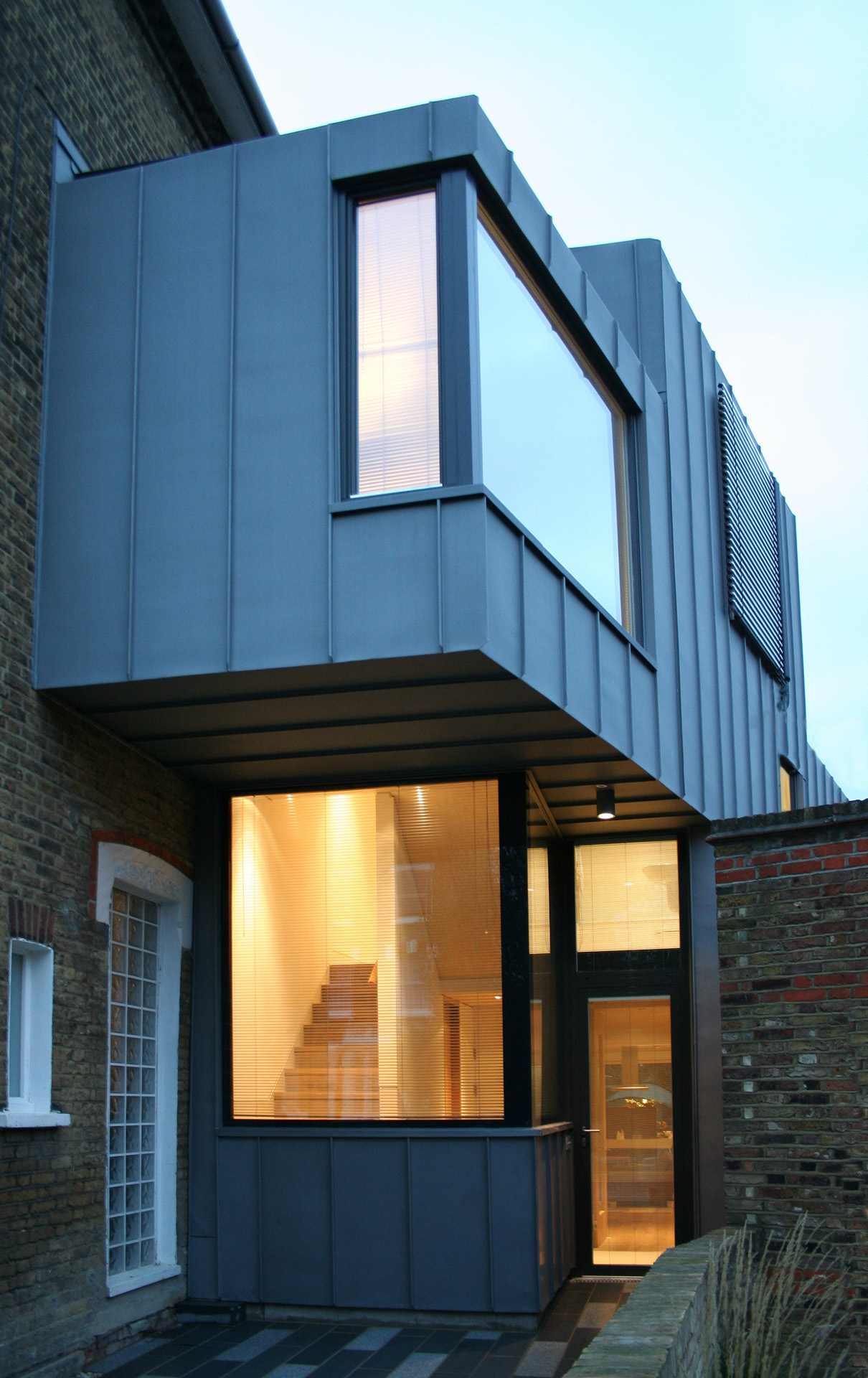
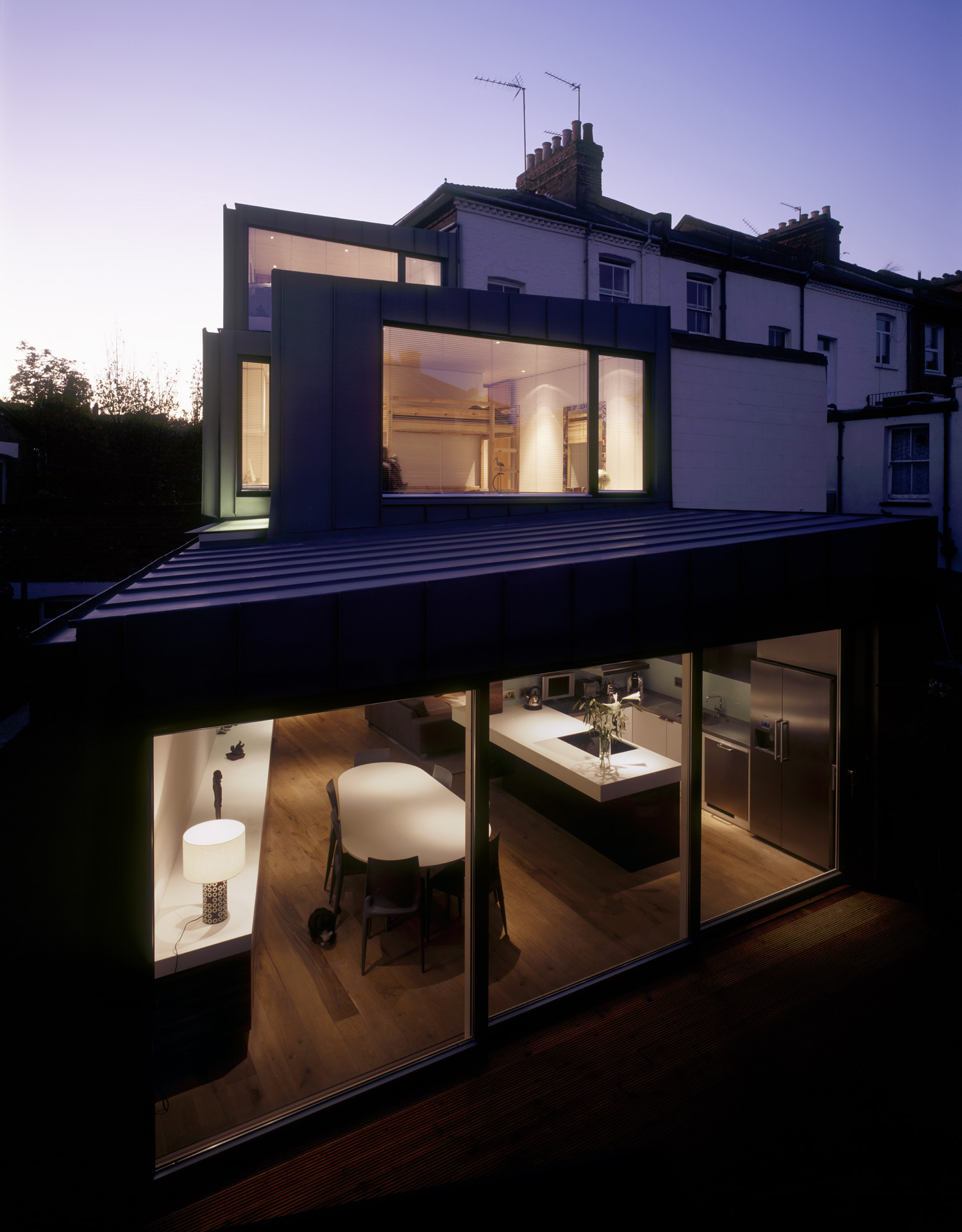
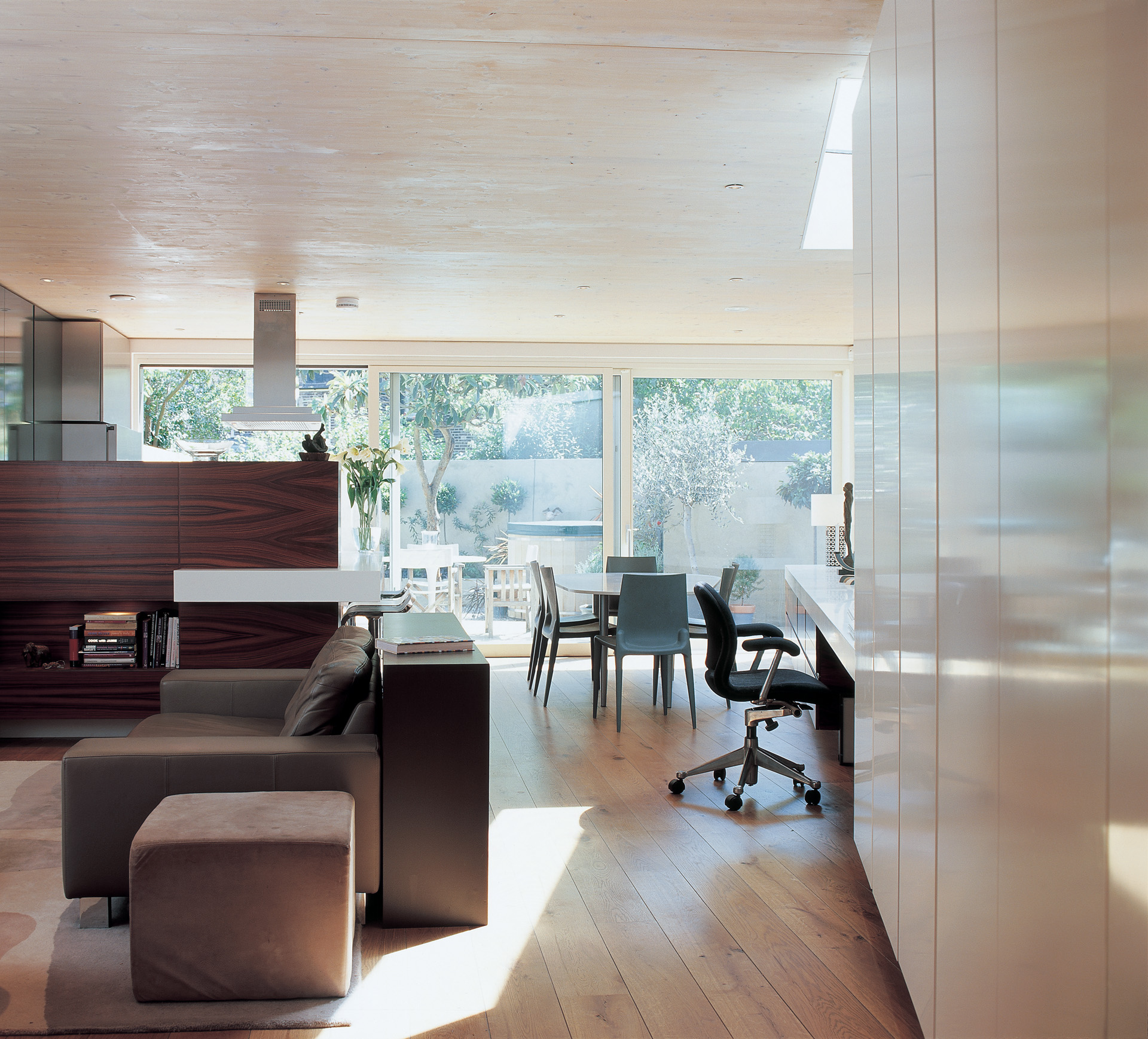
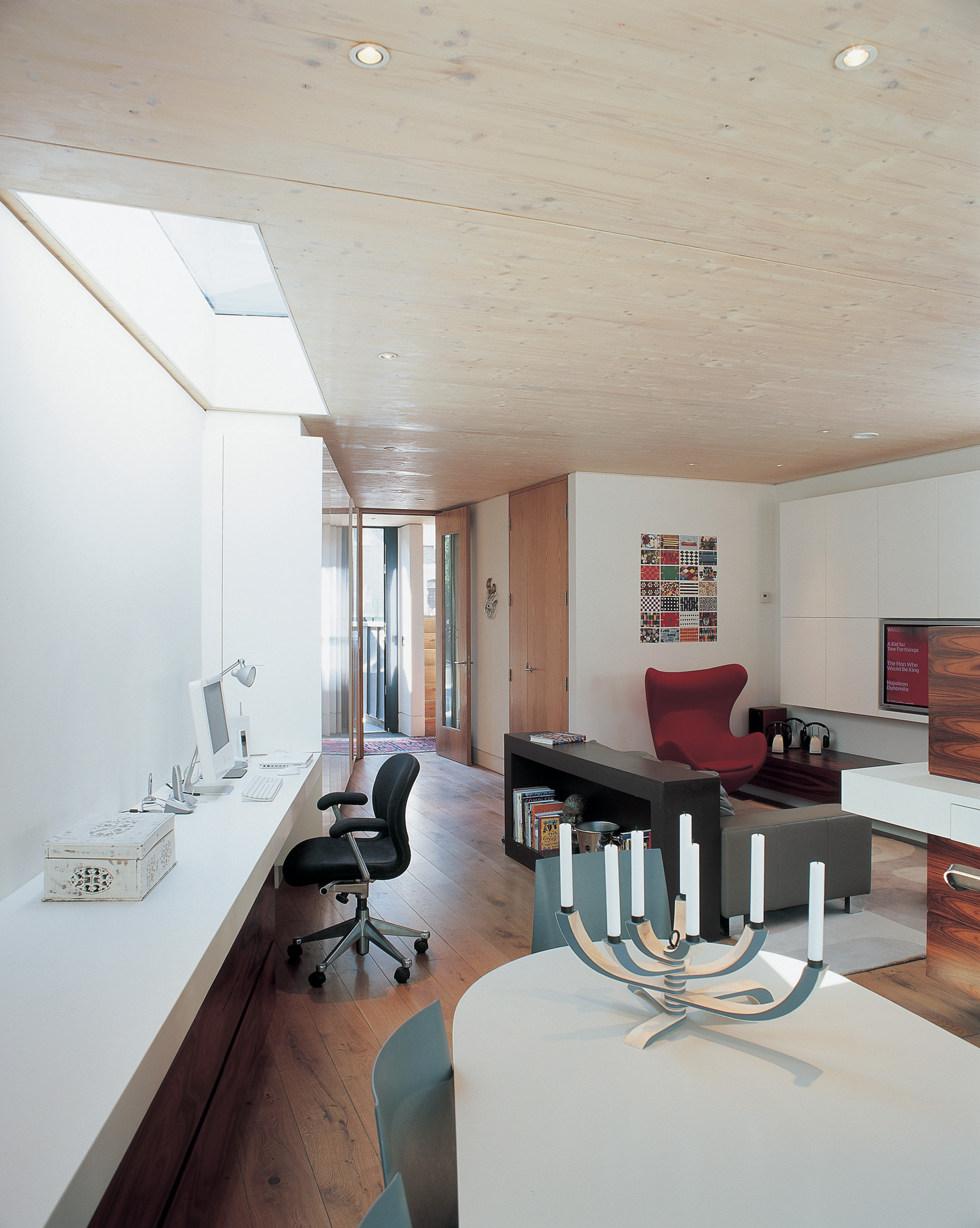
The second in a series of ecologically advanced houses, this is a low-maintenance, low-energy, low-cost home in north London for a young couple and their children. It replaced a large Victorian property next door with a compact environment to suit contemporary needs. The house was built towards Passivhaus standards and used non-toxic materials, which ensures a supply of healthy air and water. Super-insulation, air-tight construction and solar thermal water heating, coupled with water filtration, heat recovery ventilation and solid-core wood construction, mean that the house has a low carbon footprint Energy preservation is a key element of sustainable living. It is one of the central principles in bere:architects’ choice of materials and design aesthetics: we combine ecological effectiveness with pleasing forms. All our buildings, both domestic and public, are intended to be exemplars in energy efficiency and to set precedents in sustainable and affordable design. We build to Passivhaus standards. Passivhaus is a German approach, defined by Wolfgang Feist, that requires a high level of insulation and an air-tight construction, and, to maintain a flow of fresh air, an efficient heat recovery ventilation system. This uses very little energy, and saves a lot of energy that would otherwise go to waste. Other forms of energy become viable alternatives to fossil fuels, meaning that zero-carbon building is achievable. It demands a particular approach to design and construction, and demands rigorous on-site testing during the building process.