City of London Public Space Projects
City of London
Project Details
£250,000 to £499,999
New Build
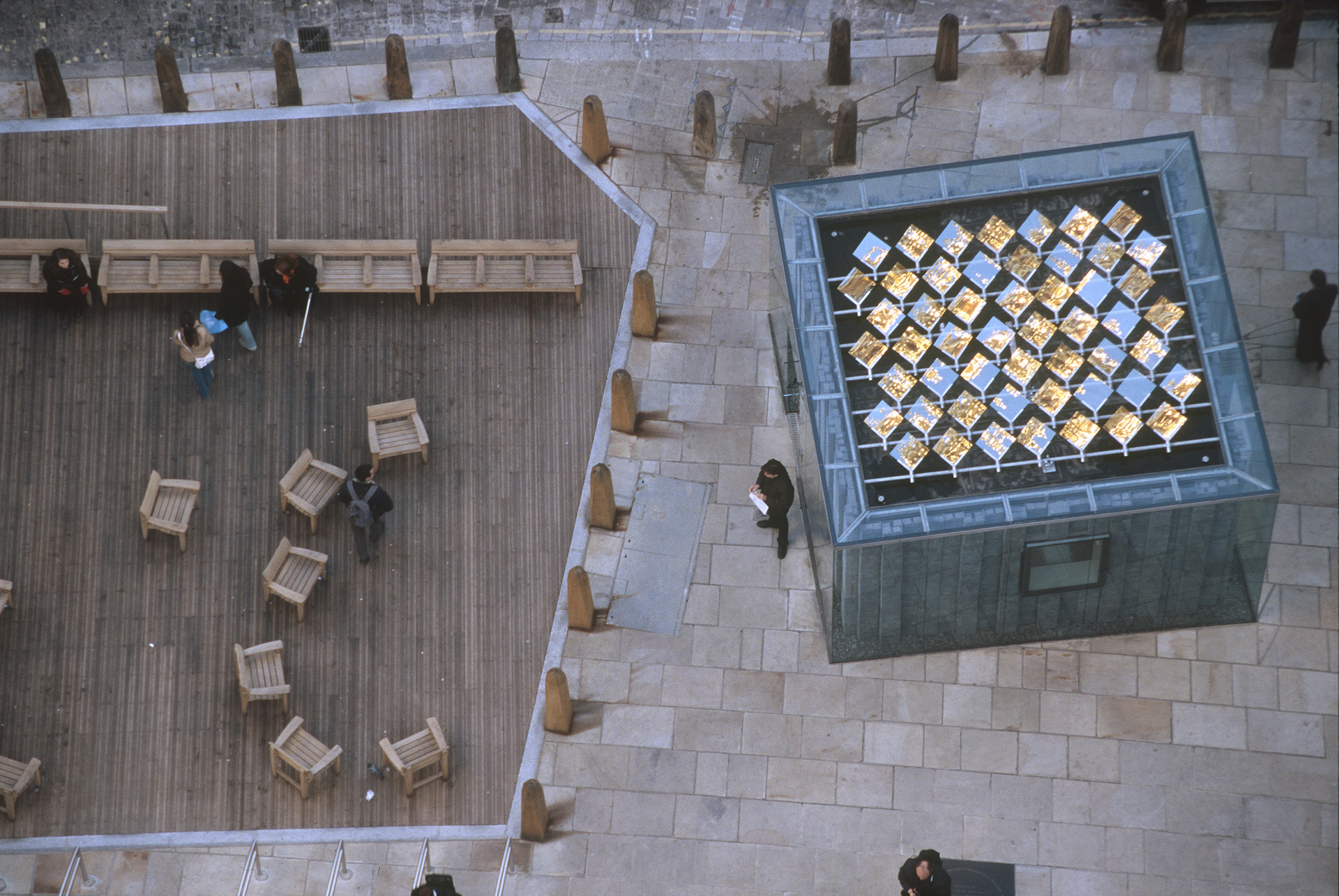
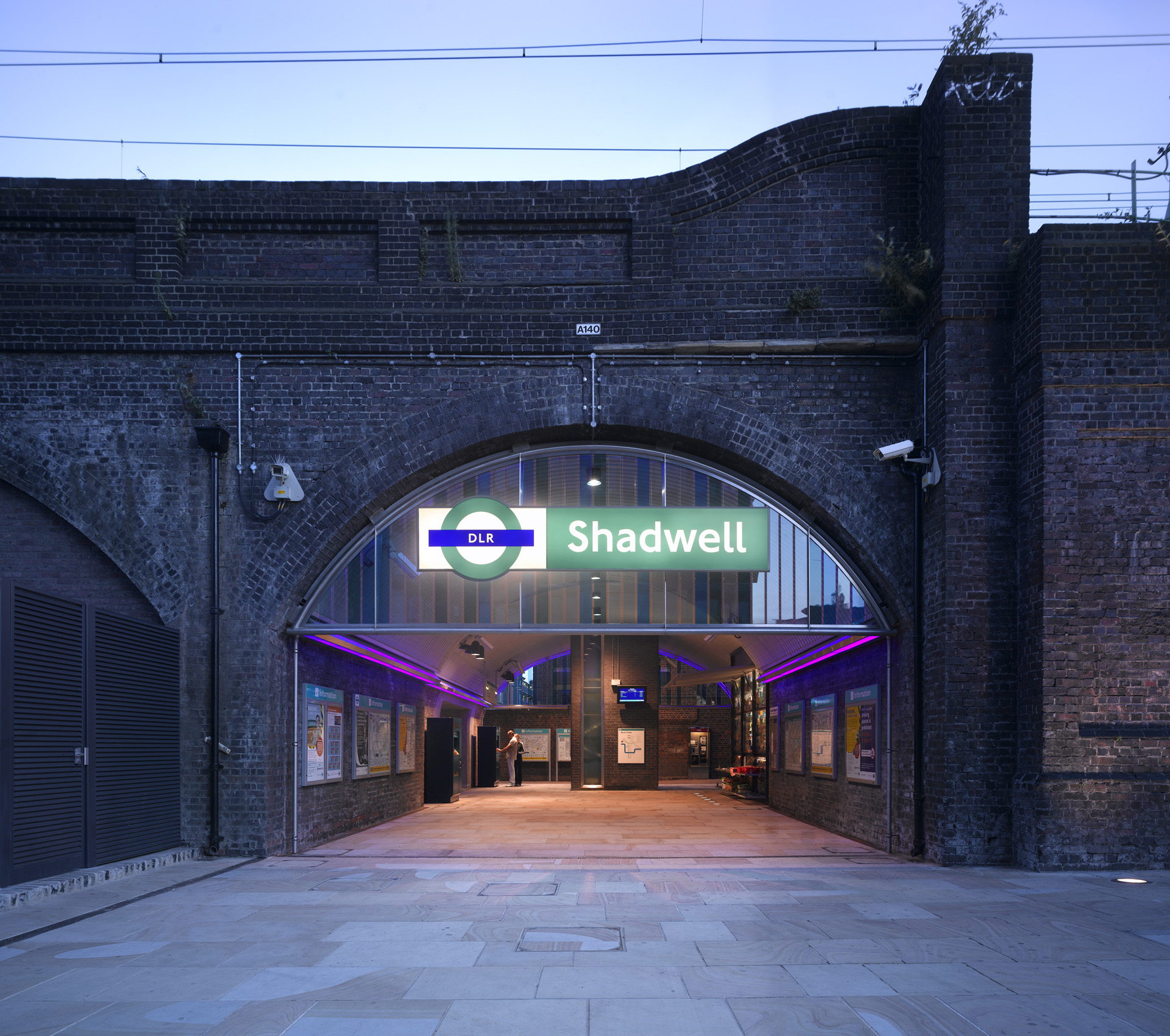
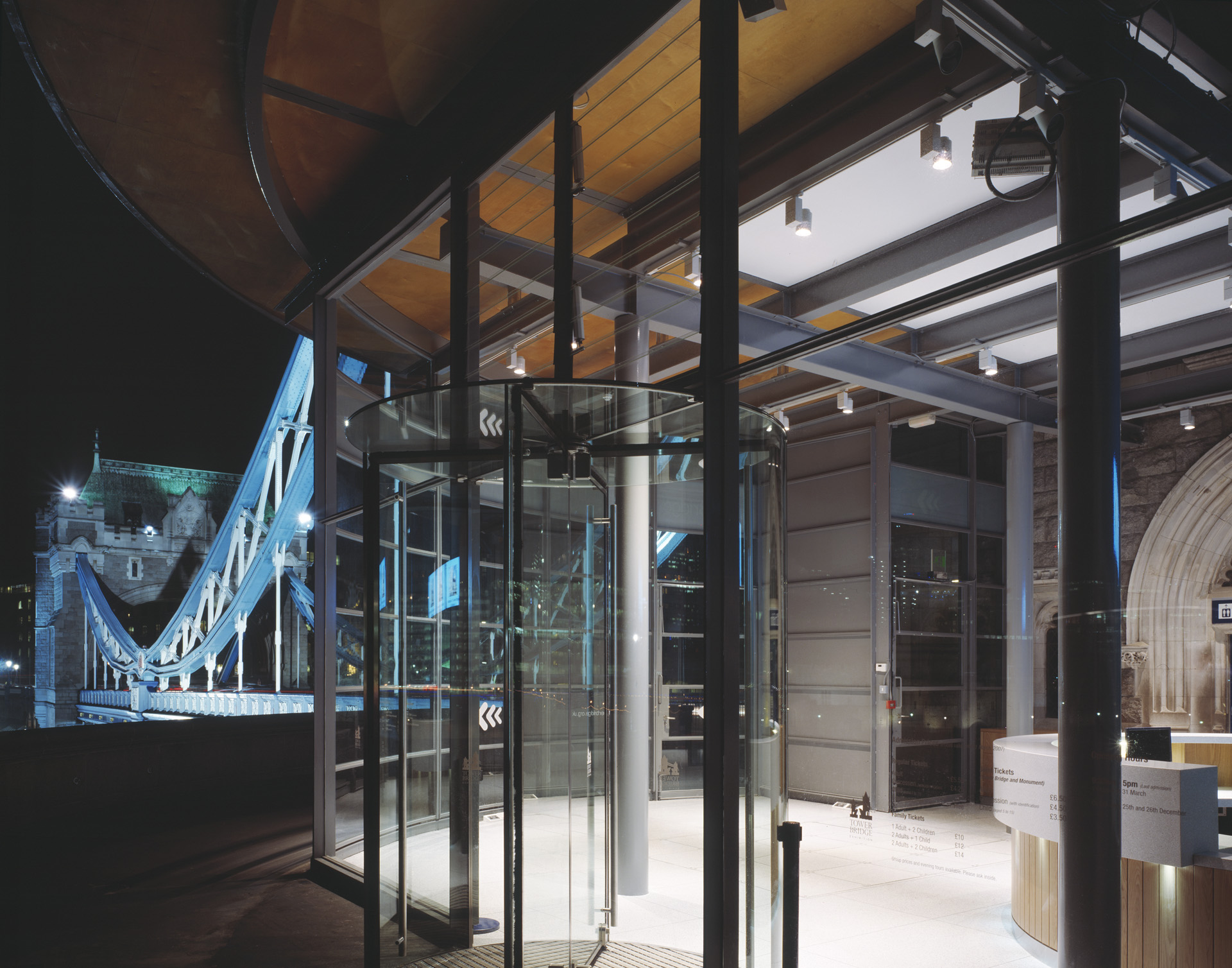
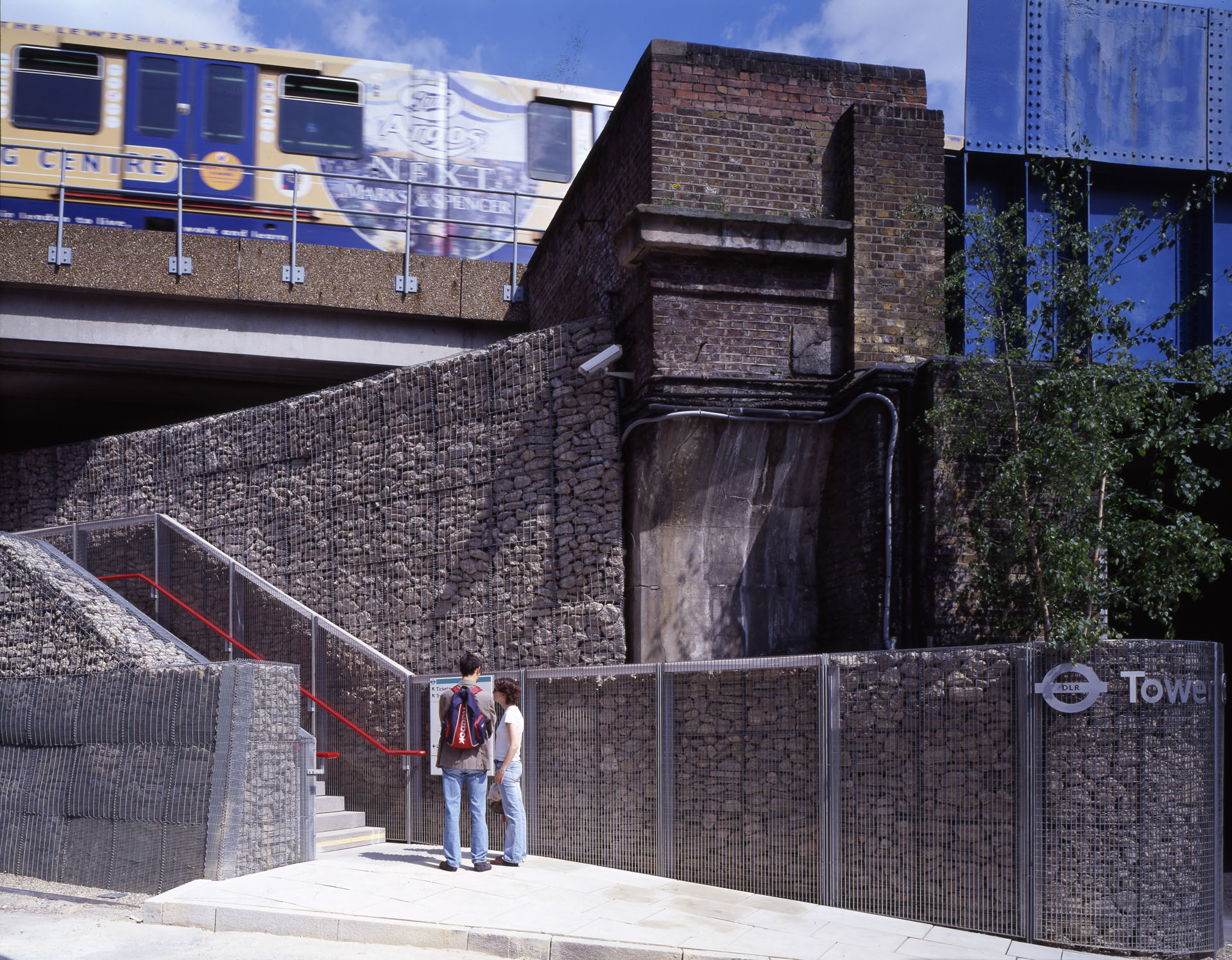
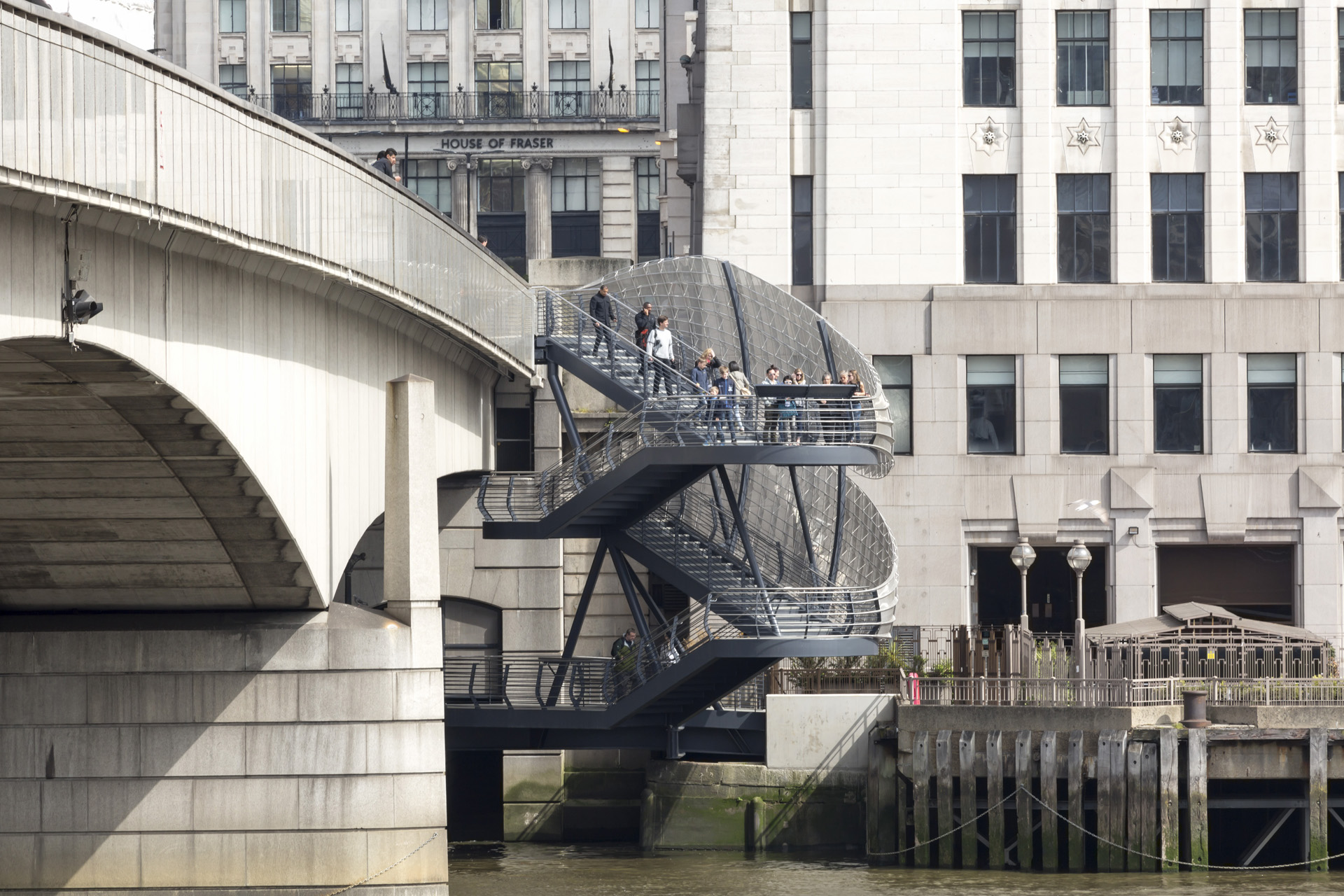
Our vision for the revitalisation of civic architecture places as much emphasis on improvements to existing infrastructure as on new build. We have consistently adhered to this principle in our work in both public and private sectors and on historic monuments. With each project we make a thorough analysis of social and demographic factors, and use durable, sustainable materials and construction techniques. We strive to create holistic, democratic solutions that are environmentally advanced in their use of energy. They also aim to challenge the traditional definitions of space; public v private, leisure v work. We believe that architecture can be a manifestation of civic pride. London Bridge Staircase is a stunning piece of public space on one of the Thames’ busiest bridges, an engineering tour de force, and a keystone of the City of London’s ‘Riverside Walk Enhancement Strategy’: creating a revitalised, better connected, and more vibrant route along the north bank of the Thames. The new staircase is cantilevered over the River Thames, connecting London Bridge and the River Walkway on the north bank of the Thames. It is clearly identifiable and its curved landings offer panoramic views across the river and spectacular views of Tower Bridge. The new route is spacious and light, and benefits from natural surveillance, ensuring people now feel comfortable and safe when walking between the Bridge and the Riverside. The site was identified by bere:architects as suitable for a new staircase, in spite of its many constraints. It is hemmed in by London Bridge and the Riverside Walkway beneath, and sits directly above London Underground's Northern Line. Furthermore, no vertical load could be carried by London Bridge at this location, and no loads could be put into the river wall beneath, nor directly into the river bed. So a series of 13.5 metre piles were drilled extremely carefully into neighbouring land, to avoid penetrating the Northern Line underground tunnel directly below. The restoration of the Monument, in the City of London, includes a new pavilion with automated public conveniences and staff facilities in a pedestrian square with a landscaped garden.The pavilion and the paving use dark Caithness stone, the former made of cubes and encased in a sleek glass skin. The inspiration for the designs comes from the Monument itself, and the stone used is taken from cut-offs left over after paving the square. The 50 small panels of glass on the roof of the pavilion are tilted so that visitors at the top of the Monument see a shimmering reflection of the gold orb at its peak. The pavilion is a key element in the City of London's Street Scene Challenge, launched in 2003, to enhance the appearance, function and safety of the City's streets. Commissioned as part of a wider interchange project looking at improving links between the DLR and East London Line stations, Shadwell DLR station consisted of major engineering works, spatial and technical reorganisation, improved wayfinding and security, and re-lighting and re-designing every aspect of the station. We also included measures to improve sustainability, such as the disposal of rainwater on site via a ground water soakaway, provision of retail space for local small businesses and a locally orientated public arts procurement programme. The renewal of visitor facilities for Tower Bridge, one of the City of London’s main tourist attractions, was driven by a desire to create more attractive and better functioning facilities for staff and visitors alike. An important part of the solution is improved winter energy efficiency. We also devised a unique summer cooling system that utilises a reservoir of naturally cooled air found in the bascules of the bridge that contain a counter-balance system for elevating the bridge. The environmental strategy reflects a genuine desire of the City of London to address issues of sustainability for the benefit of the global environment. Our redesign of the Mansell Street entrance of Tower Gateway station in east London regenerated its facilities and reduced crime and antisocial behaviour. The site, formerly a derelict piece of land between a bust road, a multi-storey car park and an elevated railway line, was heavily used by the public despite the risk of crime. The redesign improved the lighting, signage and street-level paving, removed hidden corners and introduced new wall surfaces discouraging vandalism. The result is an infinitely better public environment that is safe as well as aesthetically pleasing. The improvements were subsequently demolished as part of the four-car platform extension project.